Boston Fed president: Local leaders key to addressing rural New England’s challenges 
Collins says solutions to healthcare, childcare, workforce issues start with local insight

vermontalm - stock.adobe.com


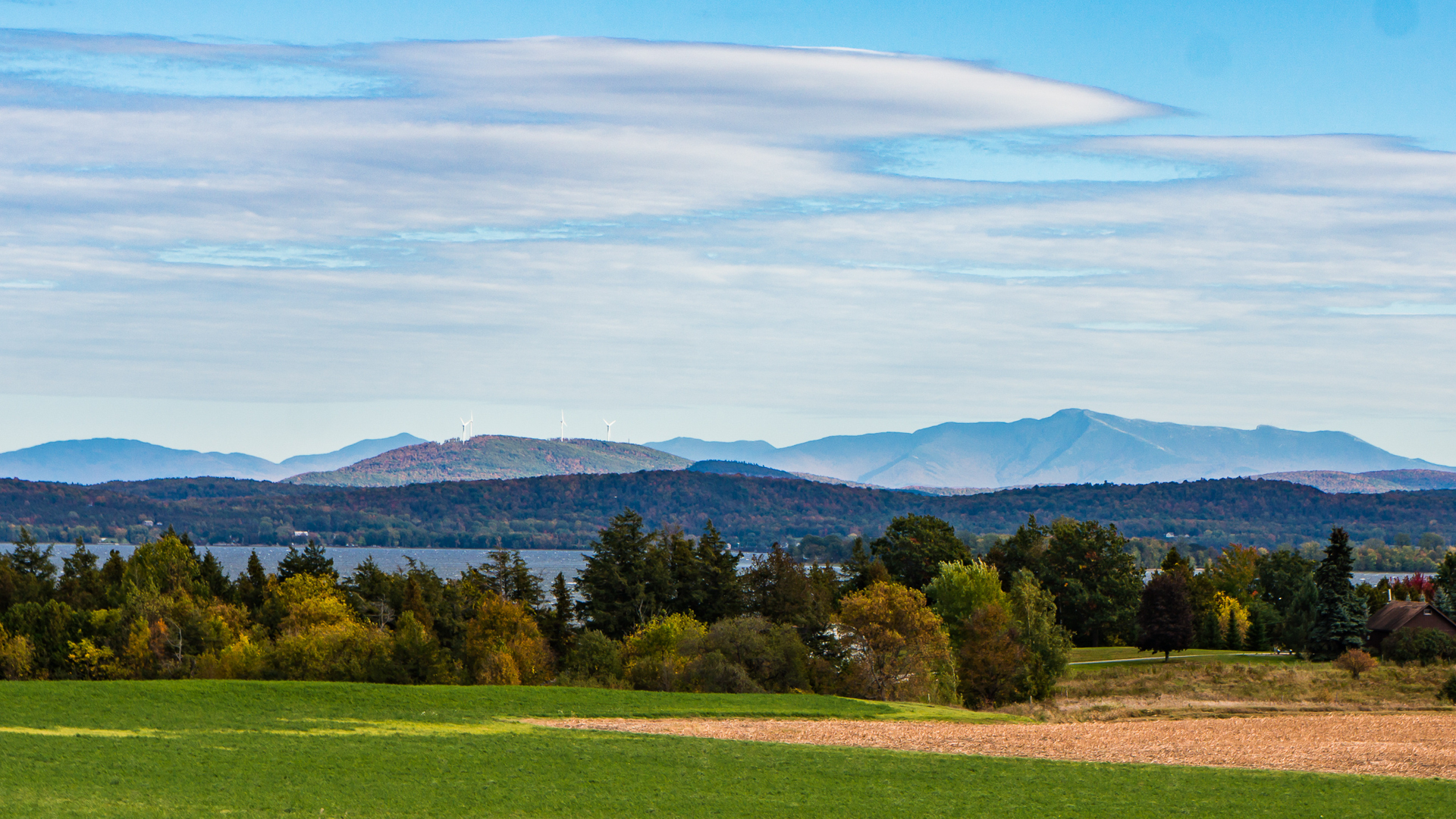
Rural New England, with its diverse landscapes and lower unemployment, doesn’t fit some stereotypes about rural America, according to Federal Reserve Bank of Boston President Susan M. Collins.
But the region’s rural communities are still confronting many of the same challenges as the nation, including inadequate childcare and healthcare access and a tight labor pool, she said Thursday.
And she said the Fed’s ability to bring local people together from different sectors and walks of life can be part of the solutions.
“When you bring folks together who have line of sight into different dimensions of what's going well and where the challenges are, you're more likely to surface a holistic perspective,” Collins said. “Which will include both physical infrastructure but also the wide range of different types of services that members of the community would need to be able to thrive.”
Collins’ remarks came at the 2026 Investing in Rural America Conference in Asheville, North Carolina.
Collins was interviewed by Axios reporter Neil Irwin along with two other Reserve Bank Presidents, Jeffrey Schmid from Kansas City and Tom Barkin from Richmond, which hosted the annual conference.
New England’s rural communities have “a lot of variation”
Collins said rural communities In New England make up 67% of the land area and roughly 12% of the population, proportions that are less than the rest of the U.S. in both categories (72% and 13.7%, respectively)
But she noted the region’s rural landscape varies, from rugged coastlines and villages to vast forests and mill communities, along with a mix of small colleges. She added the unemployment rate in rural communities is 3.3%, a full point lower than in New England’s urban communities. (The national rate is 4.1%.)
“One of the themes, I think, is multiple stories, a lot of variation in what rural experiences and communities are like,” she said.
But something presenting a major challenge throughout New England is demographics, Collins said. Rural communities are struggling to convince younger people they have a career path and a future there.
“I hear lots of conversations about some of the challenges of getting younger people to stay and really be engaged,” she said.
At the same time, Collins said, New England is aging faster than the rest of the country, especially in its northern states of Maine, New Hampshire, and Vermont. Collins said she’s spoken with small business owners who don’t have anyone to take over when they retire.
She added that having more retirees puts pressure on the labor force in multiple ways.
“If you have an aging population, that both limits labor supply, but it also creates more labor demand, in particular in areas like healthcare and a variety of other kinds of services,” Collins said.
Rural population growth wanted, but not always positive
The conversation turned to growth, including whether rural communities in each president’s District had retained population increases from the COVID era, when people headed for remote work away from cities.
Collins said that growth brings advantages and disadvantages in New England’s rural areas.
“One of the challenges has been the pretty significant rise in housing costs, and that is something that I hear about all the time,” she said. “So, that's created some challenges for existing communities, making it harder to attract workers.”
Collins said a major way the Fed can help is by arranging meetings and discussions between local leaders who have a variety of experiences and expertise. Their combined insights can equip rural towns and regions to tackle problems like housing, healthcare, a lack of adequate childcare, and other workforce issues.
She said the Boston Fed’s Working Communities Challenge initiative took exactly that approach in rural communities in Maine and Vermont. Collins also spoke of a Boston Fed initiative called The Rural Investment Project – still in development – that will bring together rural businesses seeking scarce capital with potential sources of credit and funding.
“I think that by having the local leaders be in the driver's seat, that's one of the key ways that you ensure that opportunities really do benefit the existing residents,” Collins said.
Media Inquiries?
Contact our media relations team. We connect journalists with Boston Fed economists, researchers, and leadership and a variety of other resources.

 About the Authors
Jay Lindsay is a member of the communications team at the Federal Reserve Bank of Boston.
Email: jay.lindsay@bos.frb.org
Site Topics
Keywords
- rural ,
- rural areas ,
- Rural America ,
- Susan M Collins ,
- President Collins ,
- population aging ,
- young workers ,
- New England ,
- New England region ,
- employment in New England