Housing costs, demographic trends big concerns as winter tourism season starts in Vermont 
In visit, Boston Fed president hears concerns about state's economic future

Steve Osemwenkhae/Federal Reserve Bank of Boston


The local group that bought the vast Killington ski resort two years ago promised to invest tens of millions to improve it. On Monday, CEO Mike Solimano detailed some ways it’s kept its promise.
Solimano said that by the end of the next fiscal year, Killington Resort will have invested about $80 million over three years, or about $27 million annually. That’s more than five times what its prior owners averaged in each of their 17 years, he said.
But another, less visible, investment in employee housing speaks to the challenges Killington Resort and other companies must meet to keep growing in a high housing-cost, tight labor-supply state like Vermont.
In the last seven years or so, Killington Resort has purchased four buildings with about 350 beds for employees and subsidized their rent, Solimano said. The total investment was around $7 million, he said.
“So, this is something we’ve invested in that 10 years ago we didn’t even have to do,” he said.
“The frog in boiling water”
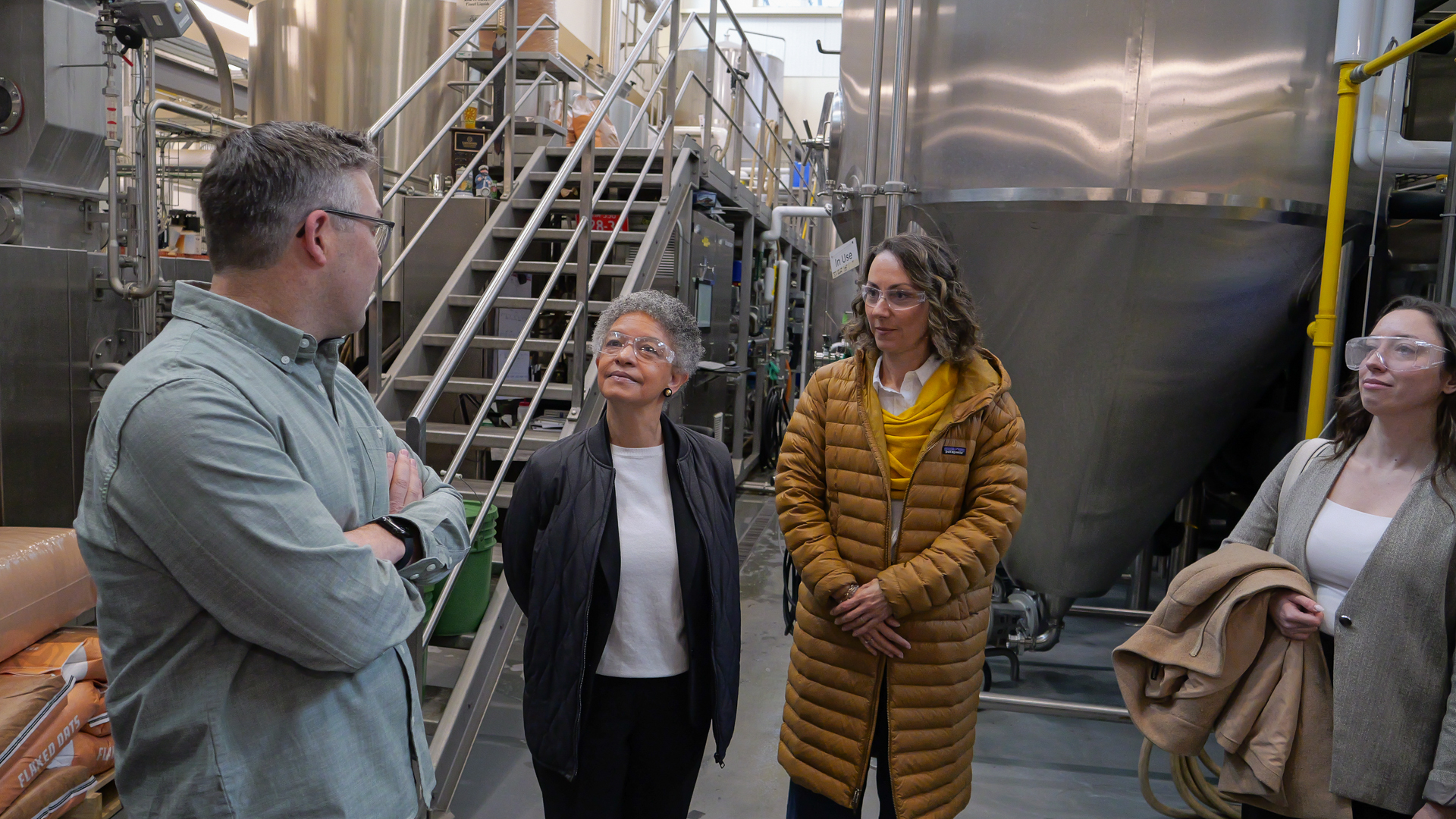
Solimano spoke during a visit by Federal Reserve Bank of Boston President Susan M. Collins to Killington’s K-1 Base Lodge for a roundtable discussion with local business leaders.
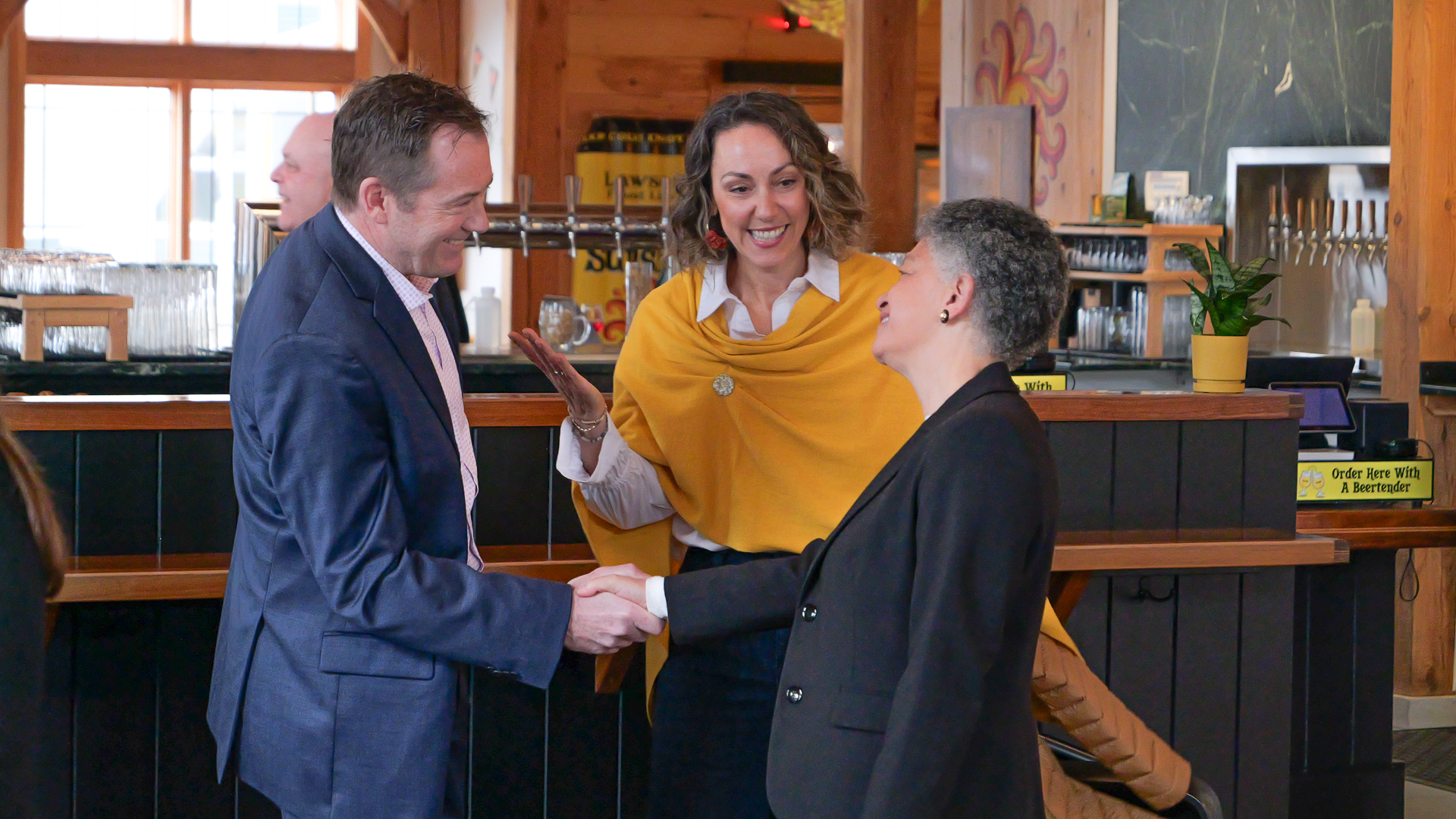
That came after Collins spoke with members of Vermont Businesses for Social Responsibility at Lawson’s Finest Liquids Taproom in Waitsfield, Vermont.
Participants in both discussions hit topics that Collins often hears about during her regular trips around the region, including:
- high costs related to housing, health insurance, and labor market conditions
- inflation and tariff pressures and the resulting increases in consumer prices
But on Monday, they used terms like “reckoning” and “a looming cloud” and predicted longtime cost strains on state businesses would soon start to painfully show.
Ethan Platt, president of online seed retailer American Meadows, said even though his revenues were steadily growing, “we’re just not making any more money.”
“It feels a little bit like the frog in boiling water,” he said.


 View Gallery

3 images

Daunting demographics and rising costs create housing challenges
Vermont faces well-known and challenging demographic trends, including a high median age, the nation’s lowest fertility rate, and a decreasing population. Meanwhile, housing costs continue to rise. In the last year, only Alaska saw a bigger increase in its house prices.
Fewer workers and rising costs are trouble for the state’s workforce and employers.
Solimano said that about a decade ago, Killington’s seasonal workers, including international employees, found abundant and affordable housing in neighboring communities like Rutland. But now housing is scarce and expensive, and it’s forced the resort to invest more in employee housing so its workers could live locally.
Chris Karr owns The Karr Group, which runs dining, nightlife, and retail venues around Killington and also invests in employee lodging. He said his company isn’t designed to operate in the housing market, but it has no choice.
“That's not investing (directly into) our business, but it's just more to keep staff in place, or to attract them, and that's tough,” he said.
Vermont’s business climate rating drops slightly, despite some expectations of growth
The Vermont Futures Project’s recent 2026 Business Climate Survey reflected some of the concerns shared in Monday’s discussions.
The project’s Executive Director Kevin Chu shared some survey results at the Killington discussion, noting that about 37% of respondents said their business grew in the last year, and the same percentage expect it to continue growing next year. But at the same time, their rating of Vermont’s overall business climate dropped from 2.86 to 2.62 out of 5.
Robert Miller, the CEO at EastRise Credit Union in Williston, said at the Waitsfield roundtable that he sees the strain among his customers over rent, childcare, and healthcare. He said no one is saving money for big discretionary items.
“This just doesn’t seem sustainable,” he said.
Blain Newton is the chief information officer at BETA Technologies, which makes all-electric aircraft and is expanding. The South Burlington firm has about 1,500 employees, including 650 added just this year, and Newton told the Waitsfield roundtable they’re planning to add thousands more jobs in coming years.
Still, Newton doesn’t see BETA escaping the problems related to the state’s high housing costs and low inventory.
Like Killington, BETA owns employee housing, and it rents to new hires for 6-9 months while they find suitable housing in the state – if they can, Newton said.
“We found enough ways to make it work, but we see a wall coming, probably sooner than later, where we just struggle,” he said.
Dennise Casey, who works in public affairs at BETA, said Vermont has lots of enthusiasm, doers, and opportunities. But she said its problems are, at root, linked to its declining population, and that must be addressed.
“If we don't all get super laser-focused on growth, like literal growth, like more people being born than dying, we're going to continue to struggle,” she said.
Media Inquiries?
Contact our media relations team. We connect journalists with Boston Fed economists, researchers, and leadership and a variety of other resources.

 About the Authors
Jay Lindsay is a member of the communications team at the Federal Reserve Bank of Boston.
Email: jay.lindsay@bos.frb.org
Site Topics
Keywords
- workforce development ,
- Workforce ,
- labor market conditions ,
- labor costs ,
- labor demand ,
- labor market demographics ,
- Vermont ,
- housing affordability ,
- housing costs ,
- housing market ,
- inflation ,
- tariffs