Small businesses tackle challenges in region that depends on them 
Boston Fed President Collins hears from business owners, leaders, lenders in NH visit

Peter Davis/Federal Reserve Bank of Boston


Like in most of New England, the share of businesses in New Hampshire with 19 or fewer employees is larger than the national average. And sometime around 2017, Helen Leavitt began wondering if she should start one of them.
People loved her home-brewed kombucha, a sour and fizzy fermented tea. And some quick research revealed no one else in New Hampshire was making it.
Leavitt, a service industry veteran, had no resources to start the business. But she did have compelling anecdotal evidence of sufficient demand, as well as – eventually – the needed financial advice and support.
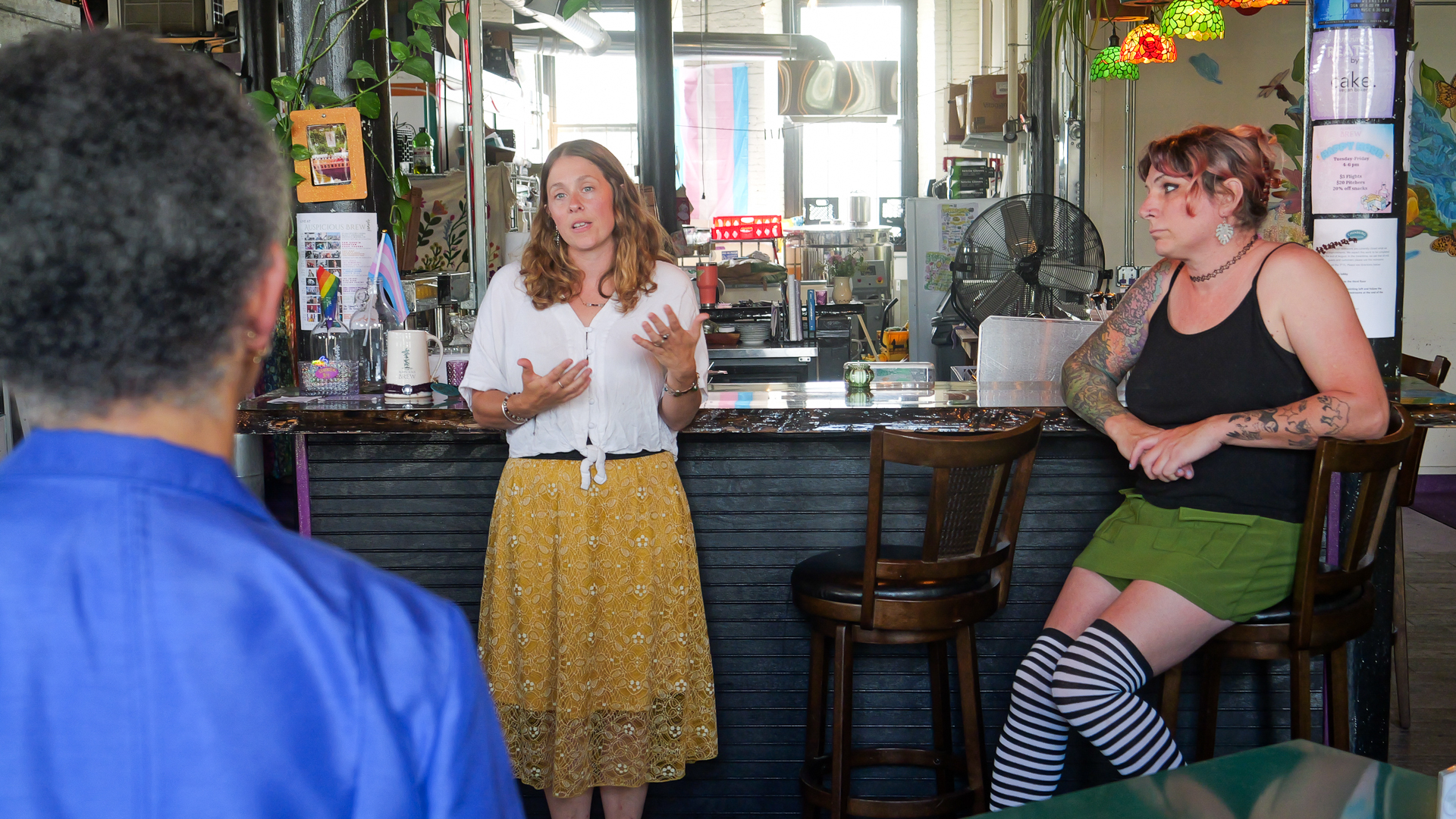
In 2020, she opened her brewery in Dover. Today, she and her spouse, Jay, are co-owners of Auspicious Brew. The company has eight employees, six years under its belt, and a colorful and offbeat vibe. But Leavitt said she has as much uncertainty about the business’s future as the day she started.
“I'm still living paycheck to paycheck,” she said. “This business essentially lives paycheck to paycheck. And each week we’re like, ‘Oh, hope we have a good Friday.’ ‘Hope we have a good Saturday.’”
“Somebody’s got to be willing to take the risk with us”
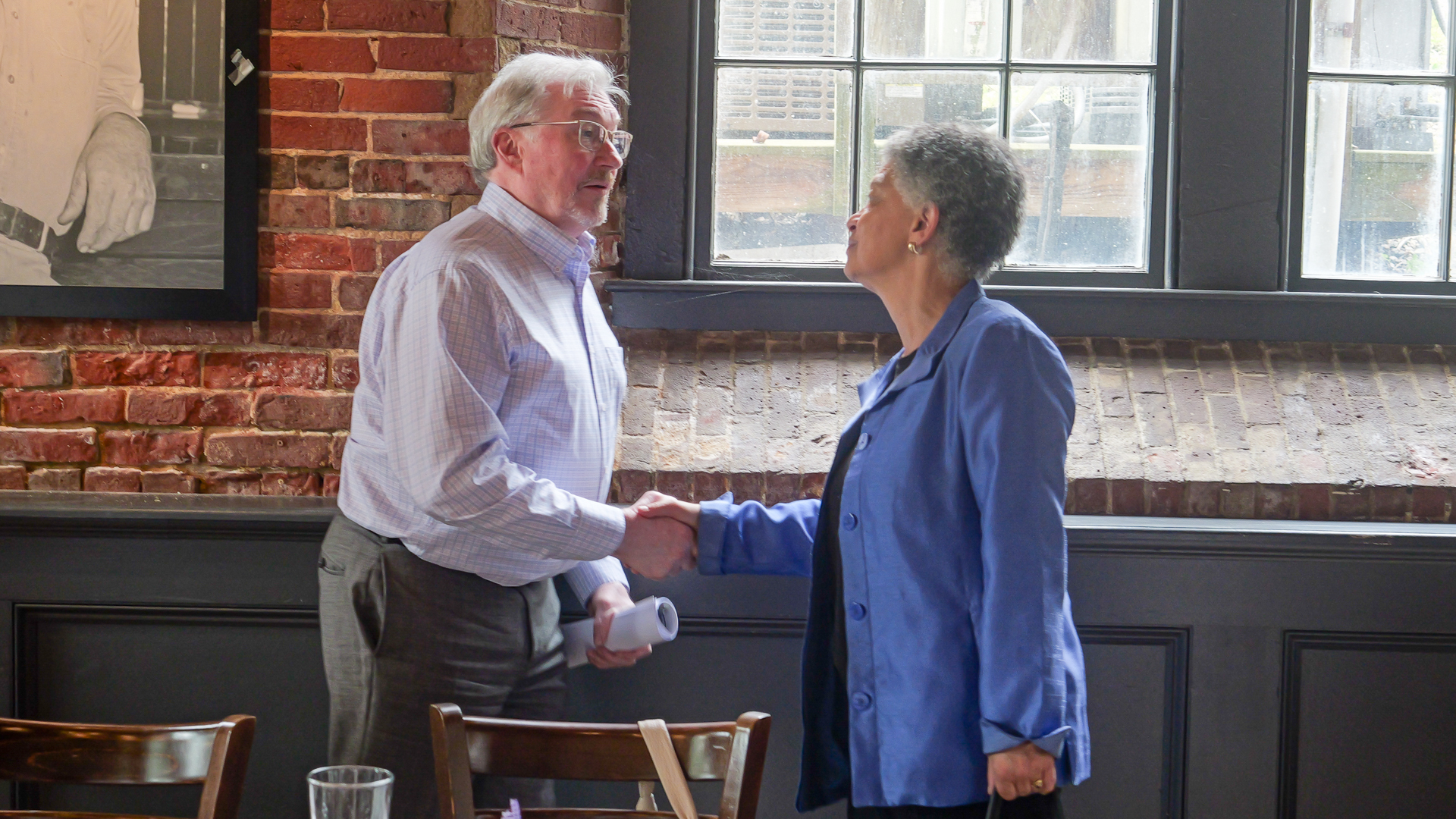
On Thursday, Federal Reserve Bank of Boston President & CEO Susan M. Collins, spoke with Leavitt during a visit to Dover and Portsmouth.
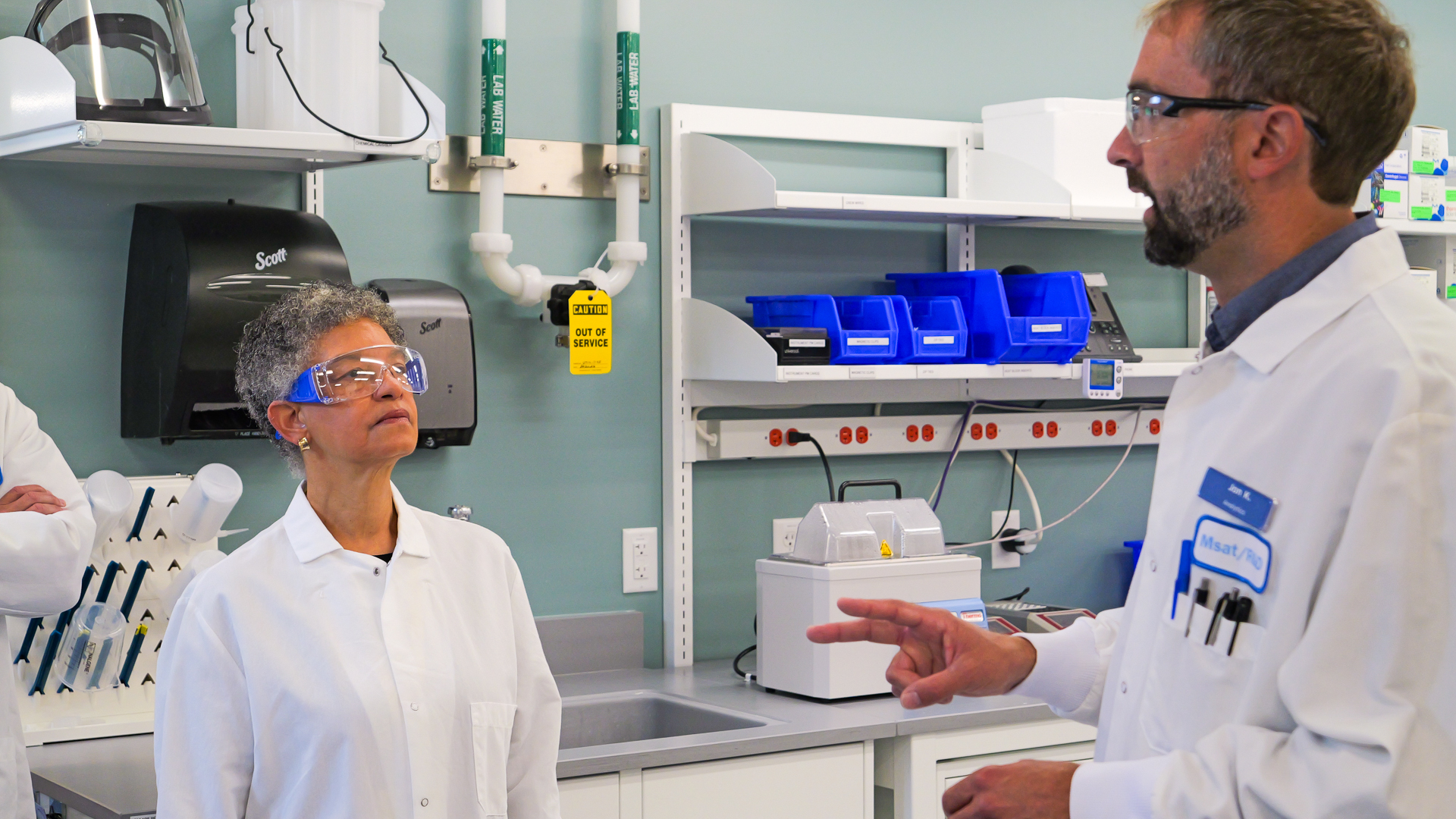
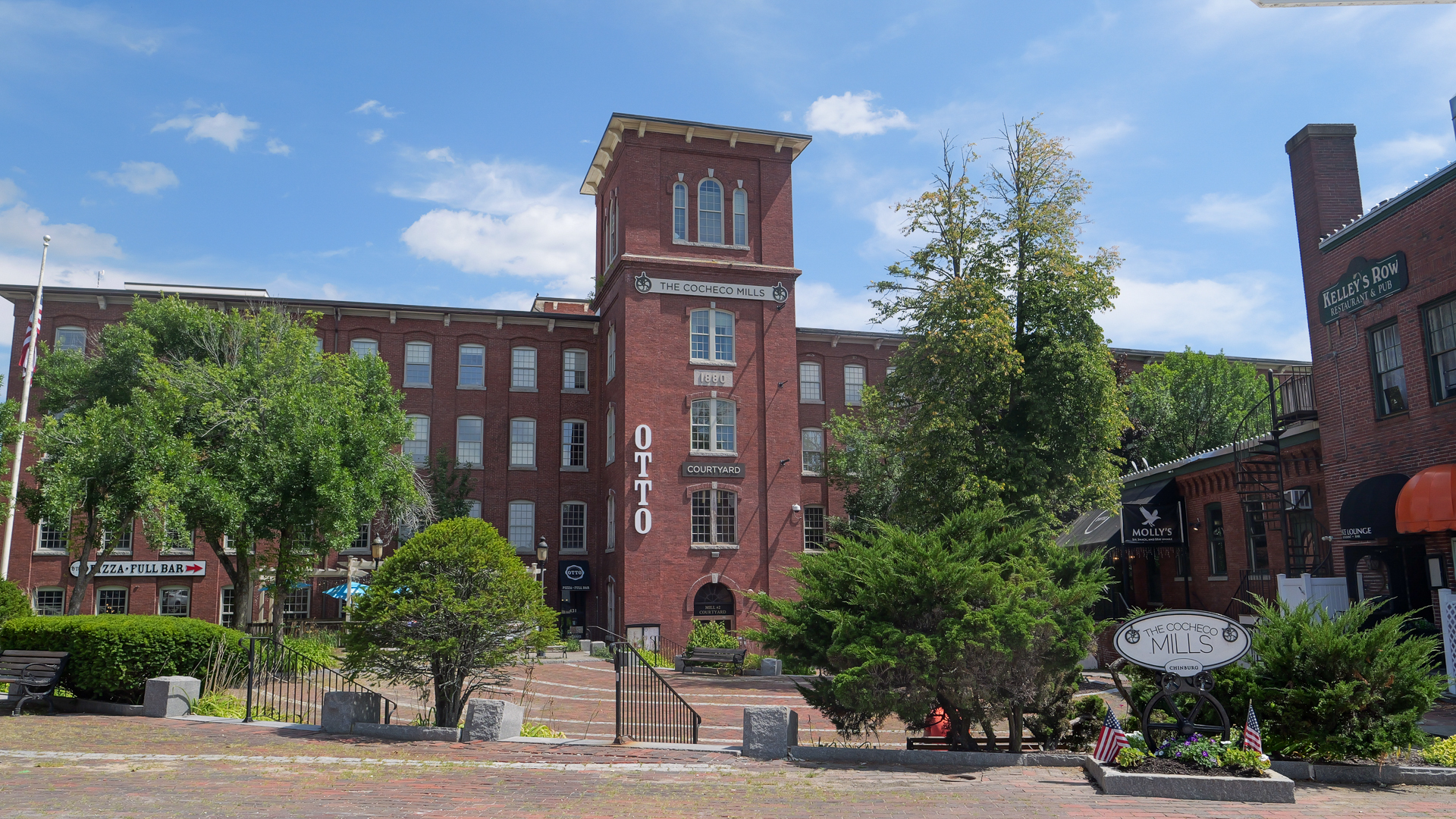
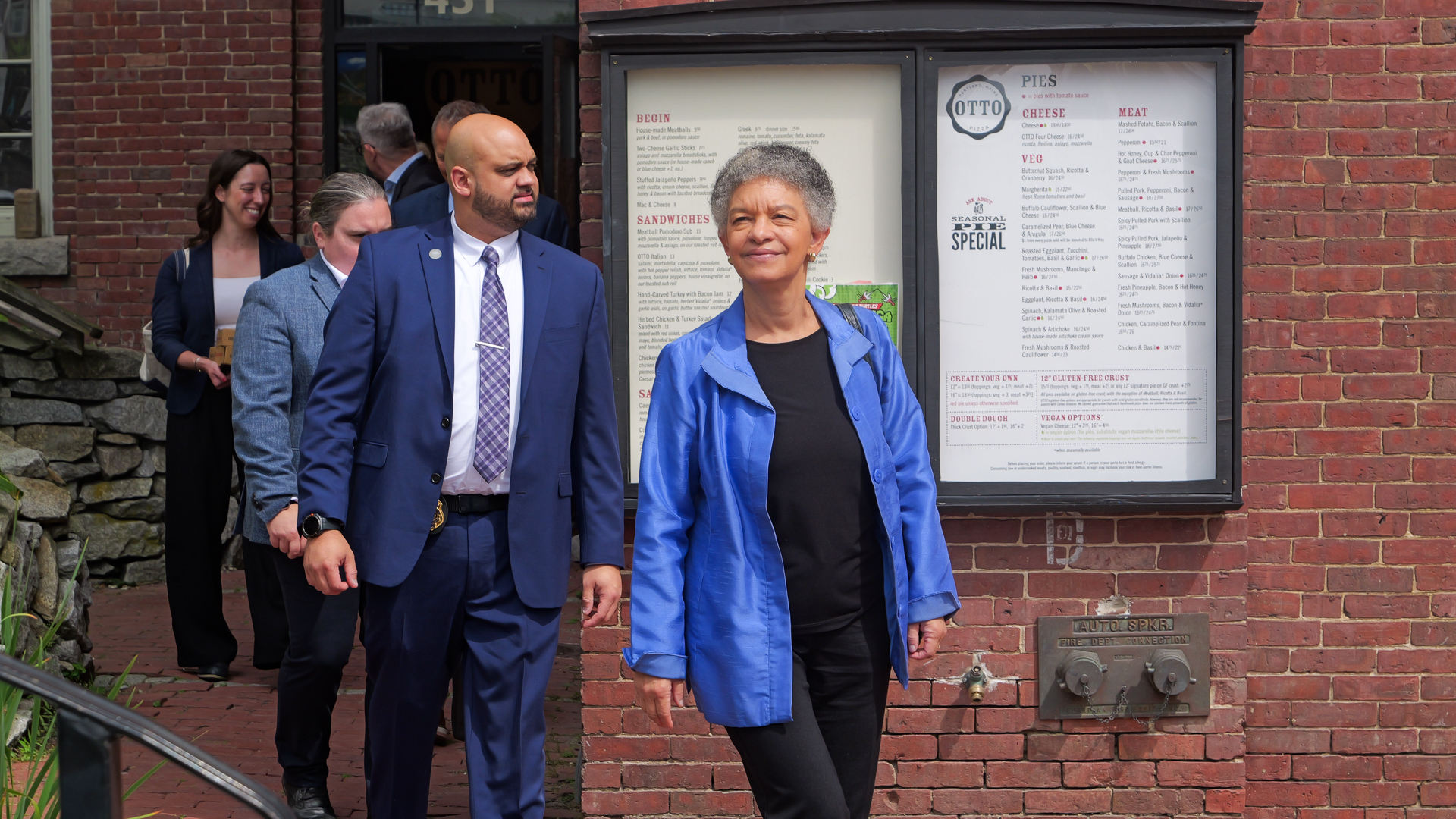
Collins also met with – among others – lenders, economic development officials, higher ed administrators, and business leaders at the pharmaceutical manufacturing firm Lonza in Portsmouth. And, after meeting with Leavitt, Collins toured the converted 19th century mill building Auspicious Brew shares with 107 other small businesses.
Leavitt told Collins she has passion for her business but struggles to find resources to maintain it. She said numbers like its debt-to-income ratio “are still not necessarily in our favor” when viewed by lenders.
“From where I’m standing, there’s a point in the conversation that has to shift,” Leavitt said. “If nobody takes a chance on small businesses, then they're not going to exist. … Someone's got to be willing to take the risk with us.”


 View Gallery

5 images
Boston Fed report: Small businesses have huge role in New England
The regional importance of small businesses was highlighted in a Boston Fed report released in July, “The Large Role Small Businesses Play in Employment in New England.”
The report indicated New England’s small businesses (fewer than 500 employees) employed 3.2 million regional workers in 2023, or 47.5%. The national average is 46.3%.
In New Hampshire, just under half of businesses (49.7%) are small businesses, and 18.6% have 19 employees or fewer – like Auspicious Brew. (The national average is 16.7%.)
Collins says she needs to speak often to people like Leavitt. At a roundtable discussion earlier Thursday at Lonza, Collins said the aggregate data she receives from Fed researchers is extremely valuable but all about the past.
“We also want to know what’s happening now, we want to know how people are thinking about the future,” she said.
Housing costs, workforce woes top-of-mind in conversations with Collins
Two other issues Collins heard about Thursday, and which frequently come up on her regional trips, are high housing costs and the difficulties employers have filling jobs.
At the roundtable discussion at Lonza Portsmouth, Portsmouth Regional Hospital CEO Sean Patterson said recruiting is hurt by a high cost of living, combined with a requirement that on-call staff live within 30 minutes of Portsmouth, in what are often more expensive communities.
“Coupled with the nursing shortage that’s nationwide, coupled with the physician shortage that's nationwide, there's a lot of challenges we're facing in our hospital,” he said.
Mike Ambrogli, a senior technology fellow at Novocure in Portsmouth, said labor is also a big issue for the company, which makes devices that help treat aggressive cancers.
“We're getting plenty of resumes, but not good resumes. We feel like people are hesitant to take a risk,” he said. “Unless they need to, they're not willing to take the risk on a new job, especially in New Hampshire, right? People worry about, ‘I'm going come to New Hampshire, if it doesn't work out for me, what else is there?’”
AI impacts – good and bad
Artificial intelligence was also a big topic Thursday. Daniel Gray, president of the Regional Economic Development Center in Portsmouth, said at a Dover roundtable that his organization routinely gets 120-page, AI-generated business plans from people applying for their business microloans. And when they ask the applicant to explain the plan’s numbers, they can’t do it.
“And it was driving us, to be honest with you, a little crazy,” he said.
Others spoke of major AI benefits, including as something to augment their workforce, not reduce it.
“Really, it's around quality, and how are we going to not add to staff but do a lot more production?” said Josephine Moran, CEO of Hanover-based Ledyard Bank and a member of the Boston Fed’s Board of Directors.
“Not cutting jobs, not doing anything like that,” Moran added. “But just being much more productive and having a better client experience utilizing AI.”
Patterson said Portsmouth Hospital is using an AI technology that “listens” – with a patient’s permission – to the conversations patients have with doctors and nurses visiting their beds to update their medical charts.
He said staff can miss important voice cues and other signs from patients while charting. But the AI does not, and it creates notes about the visit afterward.
“It has been a rock star, in terms of throughput, in terms of patient experience, in terms of diagnosing faster,” Patterson said.
Media Inquiries?
Contact our media relations team. We connect journalists with Boston Fed economists, researchers, and leadership and a variety of other resources.

 About the Authors
Jay Lindsay is a member of the communications team at the Federal Reserve Bank of Boston.
Email: jay.lindsay@bos.frb.org
Site Topics
Keywords
- Small Business ,
- small business lending ,
- small business credit ,
- small businesses ,
- New Hampshire ,
- housing affordability ,
- housing-cost burden ,
- bank lending ,
- lending ,
- Workforce ,
- workforce development ,
- AI ,
- Artificial Intelligence