Boston Fed Careers
Research Associate Program
The Role of a Research Associate — An Overview
- Assist economists with time-critical analysis of current economic data for important monetary policy work. This includes gathering and interpreting data and preparing material that will be used for briefings on regional and national economic conditions.
- Perform data collection, statistical and econometric analysis, and literature reviews. RAs may also coauthor articles and prepare presentations in support of scholarly research projects.
Day-to-Day Activities
- Review, organize, and analyze economic and financial data.
- Write programs using statistical software such as STATA, MATLAB, R, or SAS.
- Conduct economic research for policy memos and articles intended for publication in academic journals, on bostonfed.org, and in business periodicals.
- Conduct literature reviews and prepare written summaries of data analysis for economists.
- Prepare charts and tables using spreadsheet and graphic software packages.
- Design programs to analyze data, perform statistical tests, and run regressions. Update and maintain data series regularly used by economists.
- Proofread and fact-check articles and papers.
Qualifications
- A bachelor’s in economics, math, statistics, computer science, international relations or a related field with a concentration in economics
- Strong analytical, communications, and organizational skills
- Experience with statistical software packages and knowledge of statistics and econometrics
- Previous economic research experience or involvement in an independent research project is helpful, as well as fact-checking and proofreading papers, reports, and memos.
Other Requirements
- U.S. citizenship or permanent residency
How To Apply
Cover Letter
Your cover letter should be addressed to Jeffrey Kelley, Recruiting Manager. It should include your statement of interest in the position, discuss how an RA position at the Boston Fed relates to your career aspirations, and describe the qualities and skills that make you a good candidate.
Resume
Your resume should include the college or colleges you attended, your areas of concentration, your overall undergraduate GPA as well as your major GPA, your graduate GPA (if applicable), computer skills, and relevant work experience.
Writing Sample
Your writing sample should be three to five pages, preferably on an economics topic, and it should include technical content. An excerpt from a paper you wrote for an undergraduate economics class or from your thesis can serve as your writing sample.
College transcript
We will accept an unofficial transcript as part of your application. If you become a finalist for a position, we will ask you to submit an official transcript.
Recommendation letters
Two letters of recommendation are required, and one must be from an economics professor. Letters should be emailed to Bos.RA.Recruiting@bos.frb.org. They should include your name in the subject line of the email, and they should be addressed to Sonia Pierre, Business Support Specialist.
How We Support Your Success
RAs are presented with tremendous opportunities for professional and intellectual development. These experiences build knowledge of economics as well as analytical, quantitative, and writing skills that can be used to pursue advanced studies in a variety of fields.
Training
RAs have access to numerous training opportunities. Through our in-house program, they can learn how to use MATLAB, Stata, SAS, R, and Python, as well as databases such as Bloomberg, Global Insight/FAME, Haver, and Wharton Research Data Services (WRDS). The Bank's generous tuition-reimbursement program and flexible work schedules encourage RAs to take advantage of the excellent academic institutions in Greater Boston. Each year, RAs enroll in a variety of graduate courses at Harvard University, MIT, Boston University, and other local universities.
Economic Seminars
RAs are invited to attend weekly in-house seminars, where prominent economists present their research and receive feedback. These seminars educate RAs on a broad range of current economic research and expose them to the scholarly peer review process.
Library and Database Access
RAs have access to a vast library of books, periodicals/journals, newspapers, and data sets through our Economic Research Information Center. The Boston Fed is a member of the Online Catalog Library Center network, which includes more than 40,000 library collections from around the world. RAs can also request books from other Federal Reserve Banks and from universities, and they can gain access to numerous subscription-only databases.
Culture and Values
The Boston Fed prides itself on its collegial and supportive environment. RAs assist each other in developing their analytical and programming skills, and they play a central role in helping the Bank achieve its goals and objectives.
In addition to the previously noted benefits, the Boston Fed offers a highly competitive benefits package which includes an employer-matching 401(K) savings plan; a commuter transportation subsidy; health, dental, and vision insurance options; paid vacation and sick leave; and an on-site fitness center and cafeteria. RAs are also encouraged to get involved in numerous Bank-sponsored activities and volunteer opportunities.
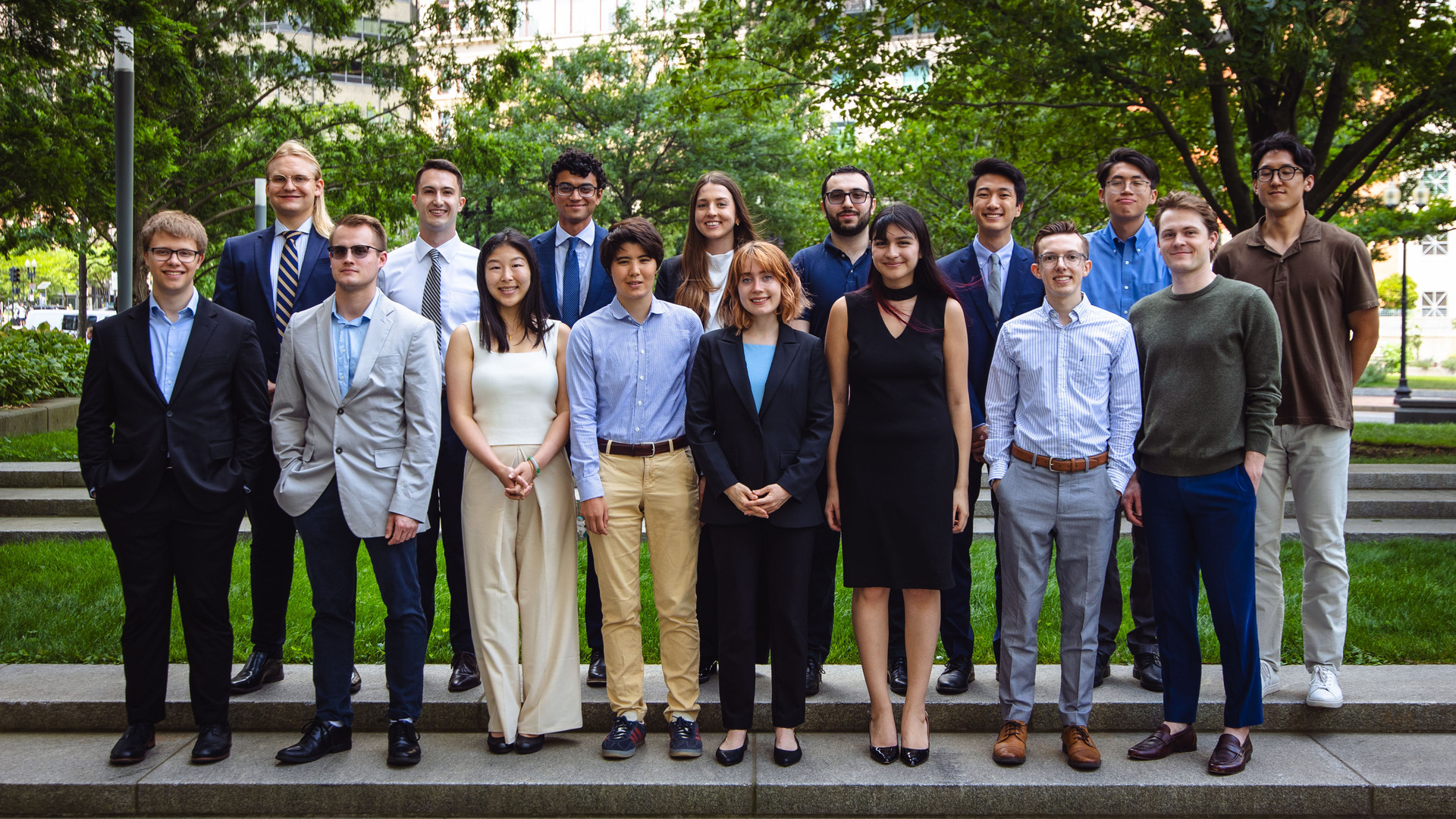
Meet the Current Research Associates




Research Department Sections and Areas of Focus
Macro Monetary Group
The Macro Monetary Group studies topics related to monetary and fiscal policies and the macroeconomy.
Economists: Jenny Tang, Christopher Cotton, Vaishali Garga, Danilo Leiva-León, Ethan McClure, and Viacheslav Sheremirov
Macro Finance Group
The Macro Finance Group conducts research on a wide range of topics, including banking, financial markets and institutions, asset pricing, payments technologies, and financial stability.
Economists: Falk Braeuning, Jose Fillat, Leslie Shen, and J. Christina Wang
Household Decision-Making Group
The Household Decision-Making Group studies topics related to labor markets, housing, consumer behavior, and household finance.
Economists: Daniel Cooper, Andrea Cerrato, Christopher Foote, Dhiren Patki, Aditya Soenarjo, and Paul Willen
Macro International Group
The Macro International Group studies topics related to the international macroeconomic environment, global financial conditions, the international coordination of economic policies, and cross-country analyses of medium and long-run economic trends.
Economists: Philippe Andrade, Omar Barbiero, Alvaro Silva, and Hillary Stein
New England Public Policy Center
The New England Public Policy Center aims to promote better public policy in New England by conducting and disseminating objective, high-quality research and analysis on strategically identified regional economic and policy issues. When appropriate, Center staff work with regional and Bank partners to advance identified policy objectives.
Economists: Jeffrey Thompson, Mary Burke, Osborne Jackson, Pinghui Wu, and Bo Zhao