In western Mass., Boston Fed president hears from farmers about innovation, economic challenges 
Farmers say finding workers and young people to take over the business is increasingly difficult

Alex Cronin/Federal Reserve Bank of Boston


How has the last dairy farm in Deerfield, Mass., survived for more than 100 years?
Peter Melnik, whose family started Bar-Way Farm in 1919, said innovating and diversifying is critical for long-term business success.
“You have to be economically sustainable, environmentally sustainable … (and) socially sustainable,” he recently told Boston Fed President and CEO Susan M. Collins. “That three-legged stool is what we focus on.”
Collins and Boston Fed First Vice President Karen Pennell spoke with Melnik and other farmers during a visit to western Massachusetts on March 6. Earlier that day, Collins and Pennell toured ISO New England, a regional energy transmission organization headquartered in Holyoke.
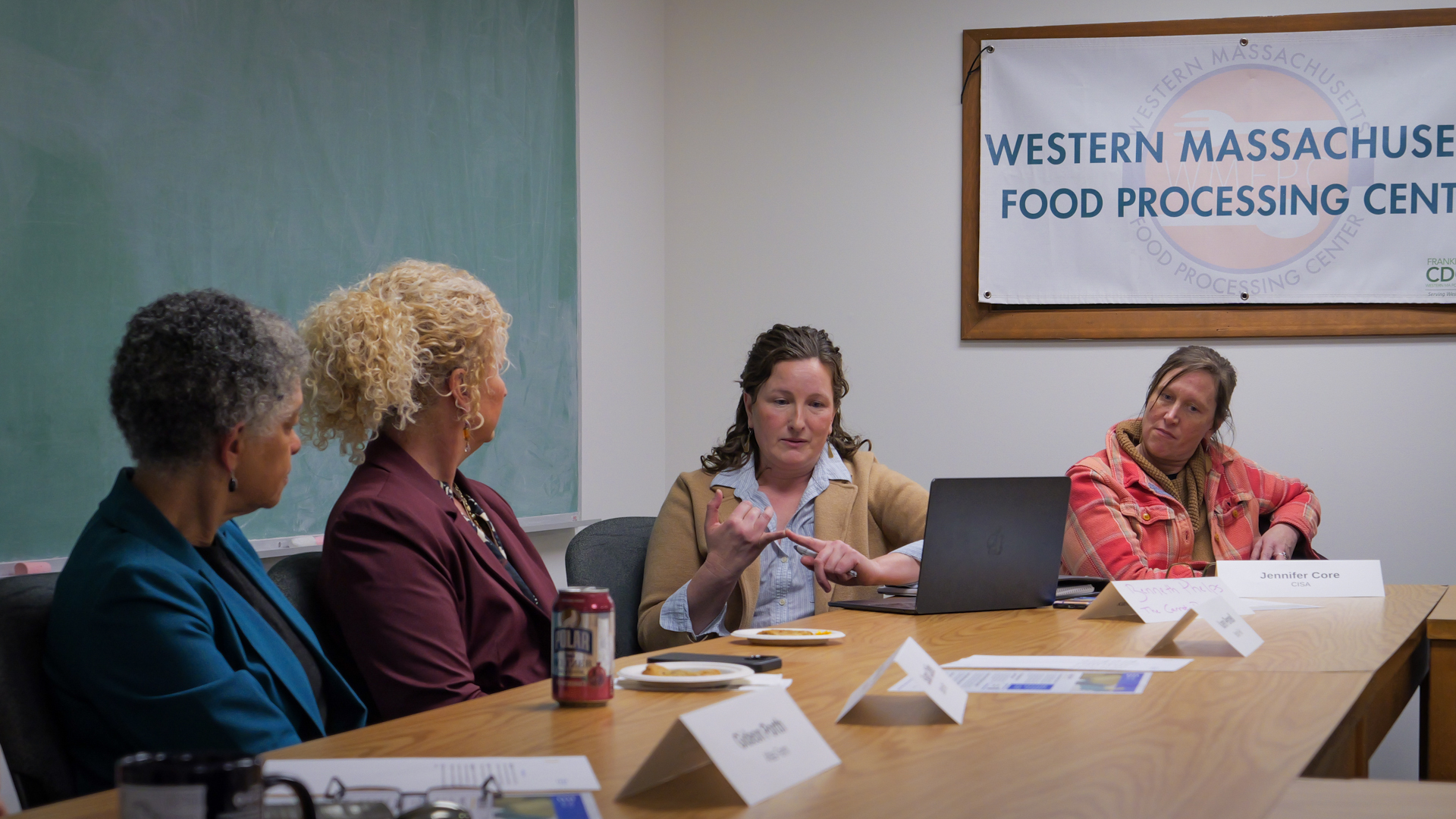
Collins then delivered the keynote address at the Springfield Regional Chamber’s “Outlook 2026” event and met with Western Mass. Economic Development Council leaders Aaron Vega and Xiomara DeLobato. She and Pennell also visited the Franklin County Community Development Corporation in Greenfield, Mass., and attended a roundtable with nonprofit and small business leaders to hear more about agricultural economies.
In her keynote speech, Collins described how small business owners often speak with her about their economic concerns. But she said they also tell her about the creative and collaborative ways they are finding success. For example, she said some businesses are developing training programs to make sure local workers have in-demand skills.


 View Gallery

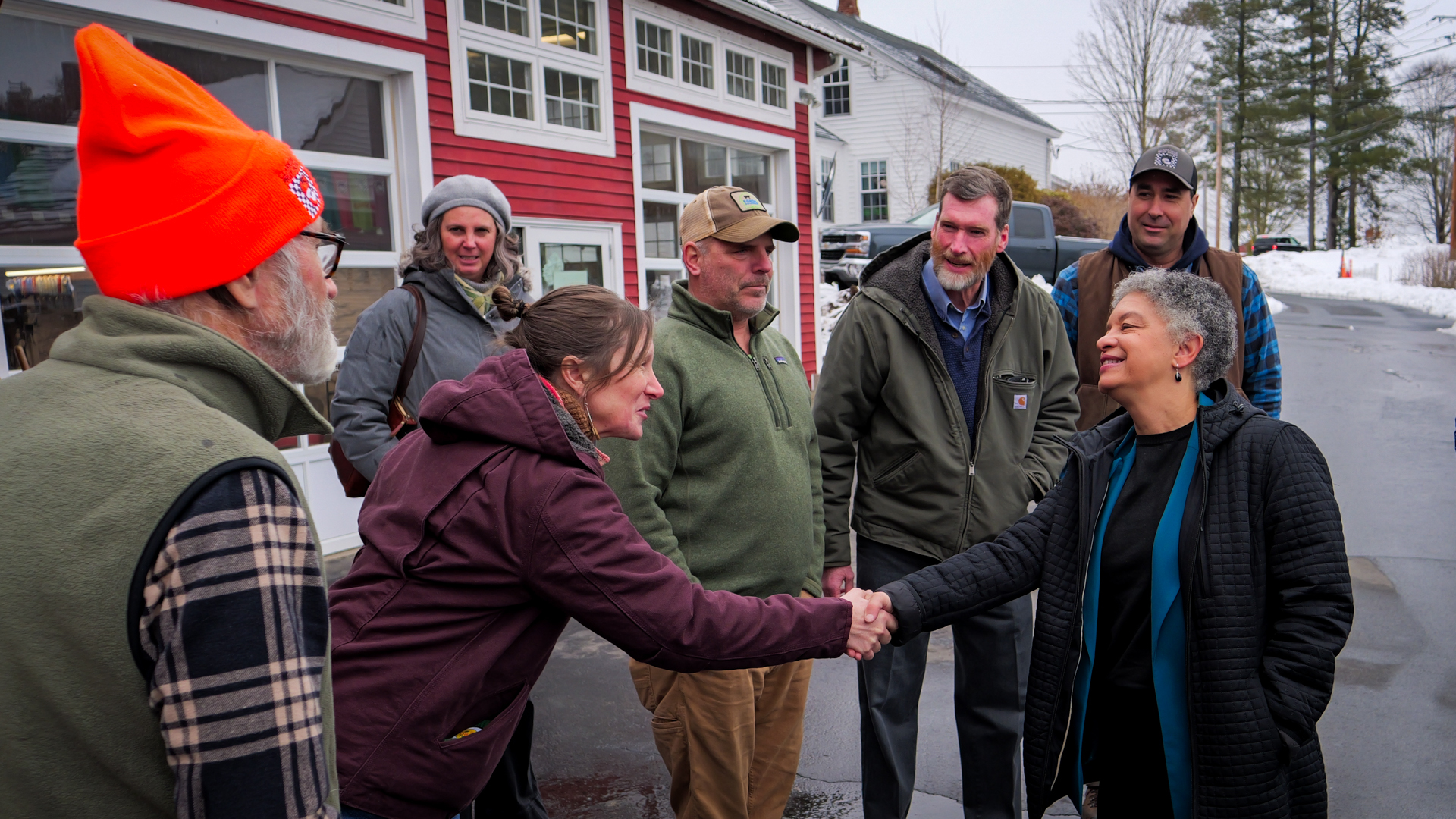
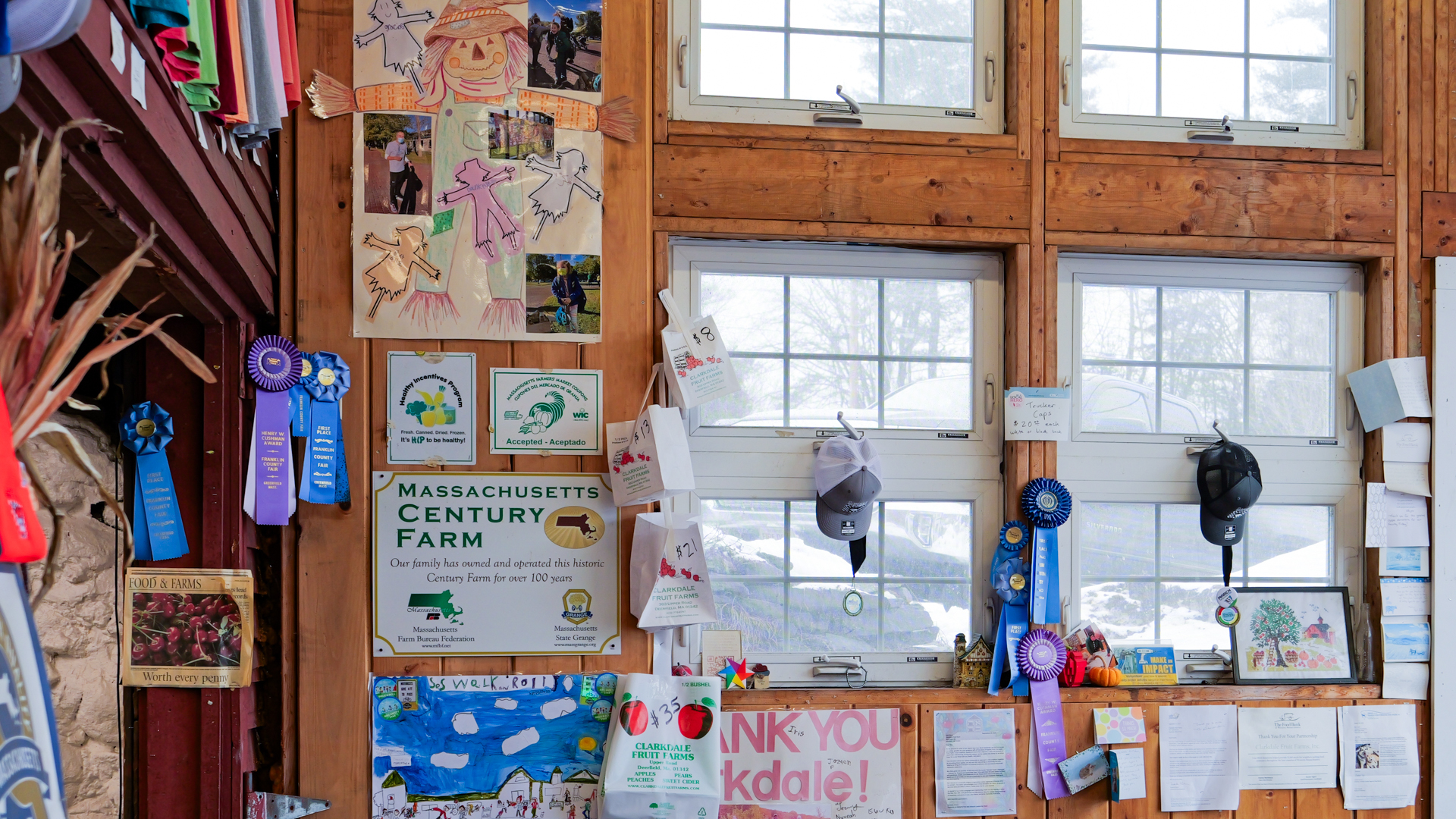
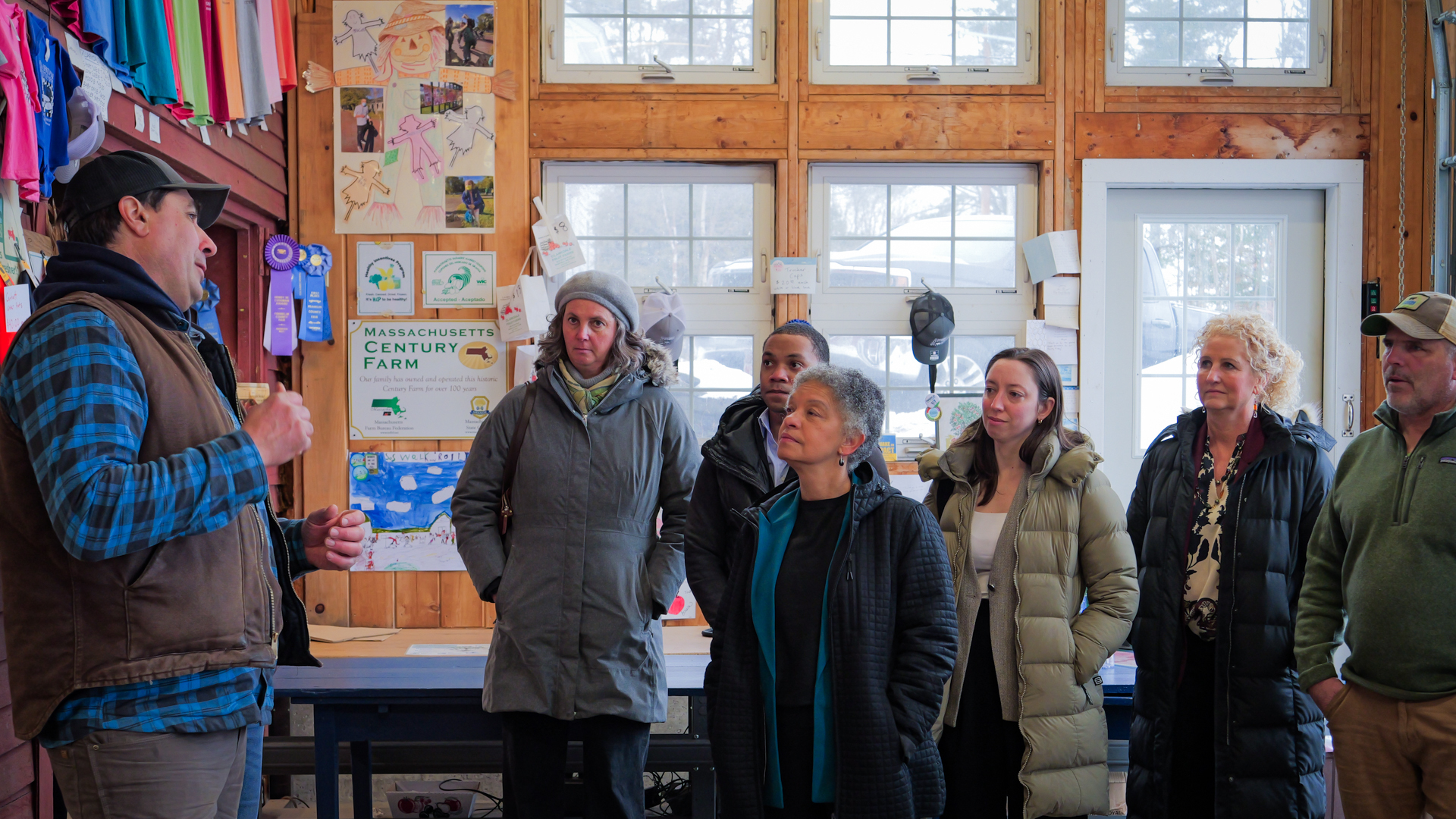
4 images
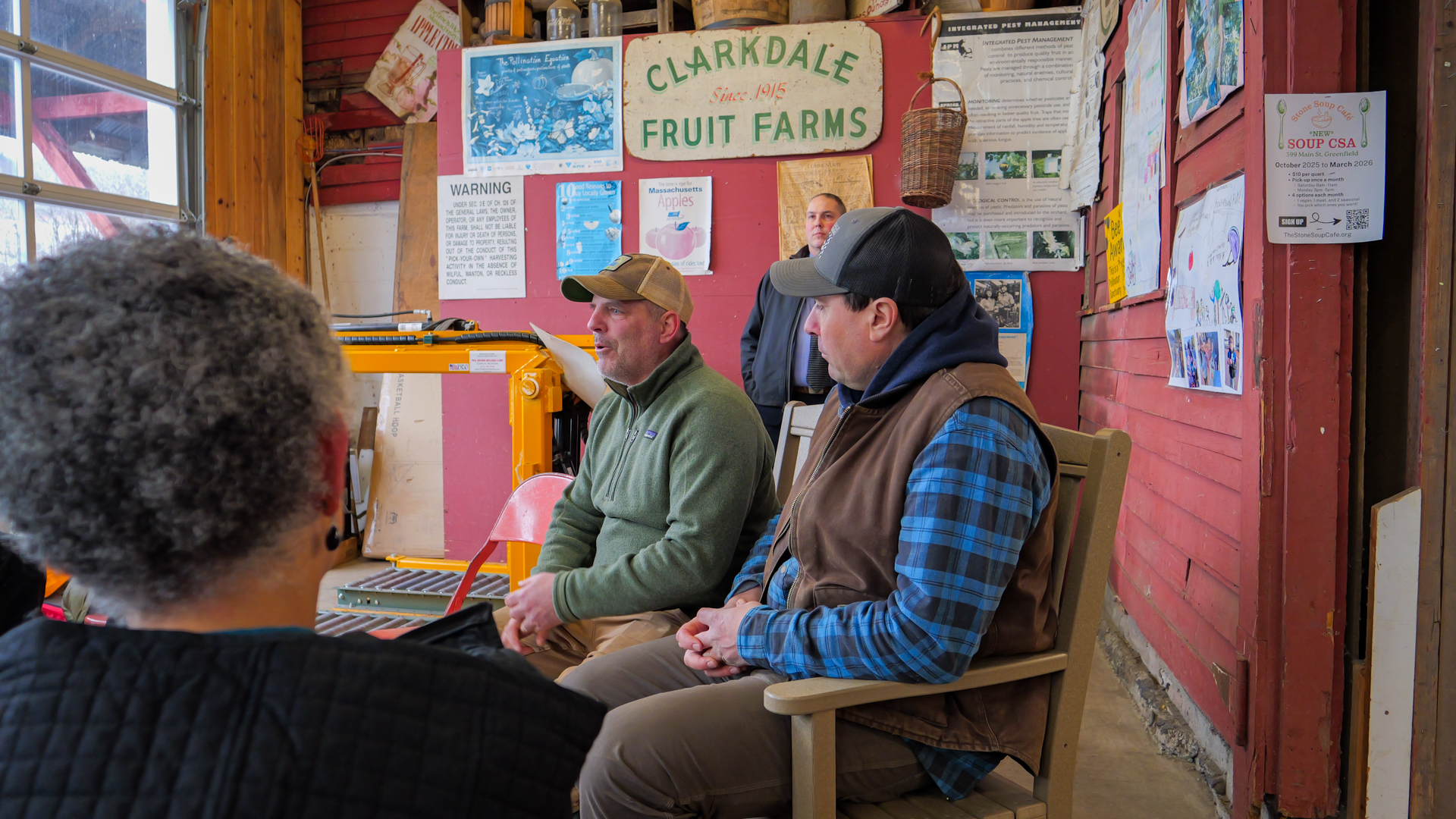
Melnik said it’s impossible for smaller dairy farms like his to compete with huge farms in other states that each have tens of thousands of cows. So, his family got creative: In addition to selling milk, they also run an “anerobic digester,” a machine that produces electricity by processing food waste and manure. They also started a compost business that supplies fertilizer to about 3,000 customers, including local gardeners.
“It really comes down to economics. You know, I pay my health insurance … (and it costs about) $2,000 a month,” he said. “That’s just one expense. You have to generate real money.”
Workforce shortages, high costs remain top challenges for local farms
Gideon Porth, who owns Atlas Farms in Deerfield, told Collins during the roundtable discussion that finding seasonal staff is a critical challenge in agriculture. He said the farm relies on H-2A visa workers – people from other countries who come to the U.S. for seasonal agricultural work – for a significant portion of their seasonal staff. Porth said that last year, the farm had more difficulty than ever before in finding local summer workers.
“We couldn’t get enough people. It’s been (trending) in that direction … but it’s tangible now,” he said. “We’re trying to expand our H-2A crew this year for that reason.”
However, the visa program requires farmers to provide housing to these international workers – and that’s both very expensive and difficult to find, Porth added. Still, he called the program a lifeline.
“I don’t think we could have operated without that,” he said.
2 images

Joe Czajkowski, a farmer with about 400 acres of fruits and vegetables in Hadley, Mass., said farming is a difficult and competitive business, especially for people who are just starting out. For example, he said the food safety tests alone for his farm are $1,100 a week, and that’s just one of many necessary operating costs.
Czajkowski said he keeps a close eye on agricultural news, and he recently learned that many farms in the U.S. may not be able to refinance this year because they’re operating at a loss, despite generations of families working to keep them alive.
“It’s kind of cutting the bottom rungs off the ladder for people who want to start,” he said. “And there is a need, because (about) half of the farms don't have continuity in the next generation.”
Benneth Phelps, the executive director of farm-focused nonprofit The Carrot Project, said her organization is part of the Agricultural Viability Alliance, which helps experienced farmers and finance experts collaborate and come up with new ways to keep farms going long-term. That includes working on ownership transfers and using creative strategies that help young people take over these businesses, she said.
“It’s another side of our work that we really appreciate … helping people figure out how we can create those viable small businesses,” Phelps added.
Learn more about Collins’ visits around New England on bostonfed.org.
Media Inquiries?
Contact our media relations team. We connect journalists with Boston Fed economists, researchers, and leadership and a variety of other resources.

 About the Authors
Amanda Blanco is a member of the communications team at the Federal Reserve Bank of Boston.
Email: Amanda.Blanco@bos.frb.org
Site Topics
Keywords
- rural ,
- worker shortage ,
- innovation ,
- Massachusetts ,
- Small Business