Community bank president talks change, technology, and keeping banking local 
Anne Tangen, a member of the Boston Fed’s CDIAC, says local banks are critical to communities


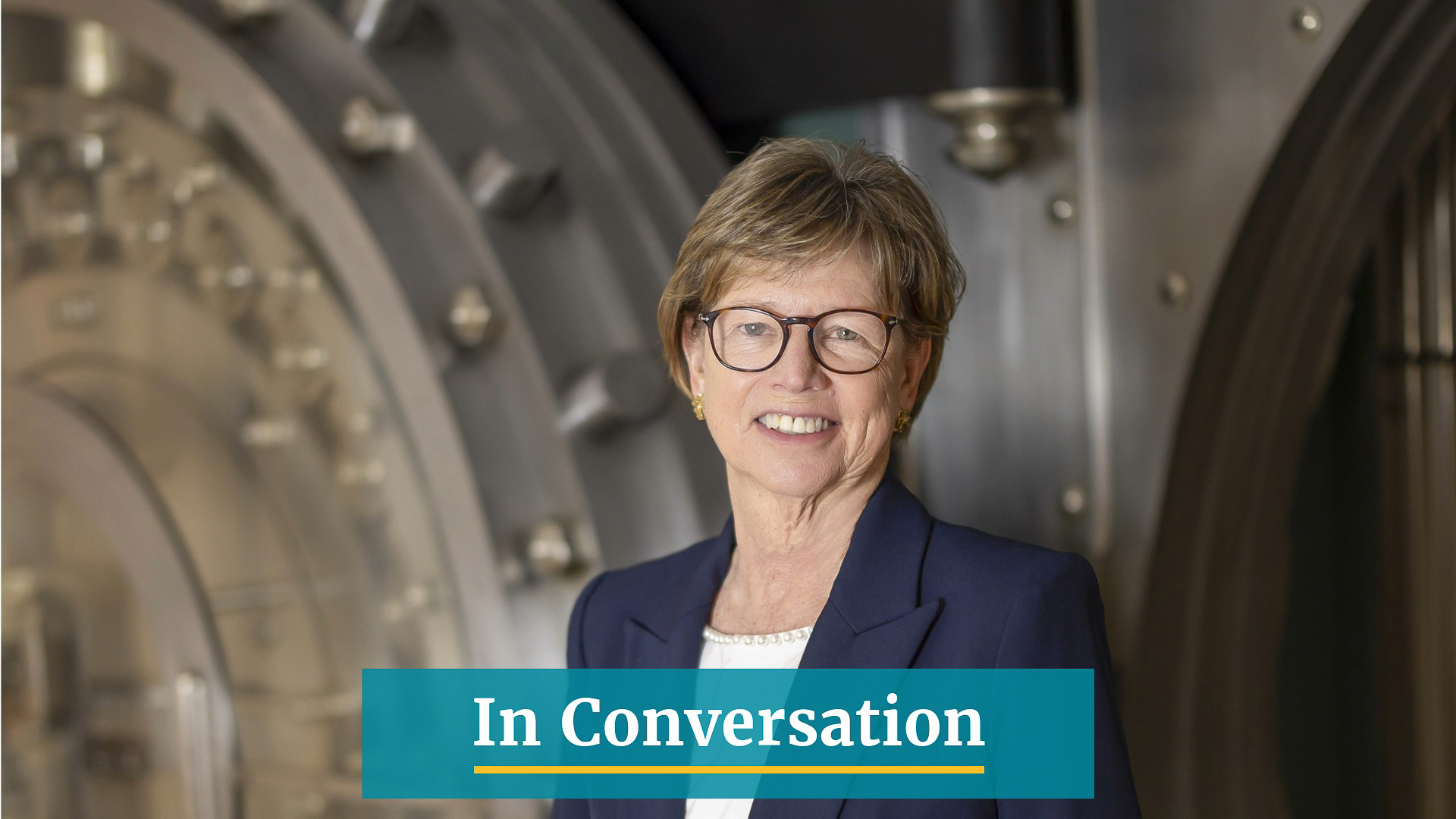
Anne Tangen is the president and CEO of BankFive, a community bank headquartered in Fall River, Massachusetts. She is also a member of the Boston Fed’s Community Depository Institutions Advisory Council, which advises the Bank on economic conditions, lending trends, and issues that affect local financial institutions. We spoke with her about her transition from finance into community banking and the future of community banks.
What inspired you to move into community banking?
I joined the board of a community bank, and that’s where I really fell in love with the mutual bank model – which focuses entirely on serving the community rather than shareholders. I knew we could have an impact. Every dollar that comes into a community bank goes right back out to support the community through loans, mortgages, and other local investments. We’re not financing high-rises, we’re investing in our neighbors.
I had always worked in Boston but lived in Dartmouth, and I dreamed of working where I lived and played. I was especially excited about BankFive because it was such a forward-thinking institution. It wasn’t the stereotypical, slow-to-change community bank. They were investing in technology, expanding their footprint, and even launched an internet-only bank. They were evolving with the times, and I wanted to be part of that momentum.
You joined BankFive as president and CEO in 2020. What was it like stepping into the role just as the pandemic began?
When I accepted the job, the pandemic wasn’t even part of the conversation. But as my start date got closer, it became clear that major decisions about the bank’s future were happening in real time, and I needed to jump in immediately. It was a challenging transition – not just due to the uncertainty of the pandemic, but also because I was entering the community banking space for the first time after a 30-year career in finance at Fidelity and State Street.
We didn’t know what was coming, how it would affect the bank, or how it would impact the businesses we’d lent to. Joining during that crisis shaped everything. It pushed all of us, myself included, to adapt quickly and rethink how we worked.
What are the biggest challenges facing community banks?
AI is at the top of everyone’s mind. It’s both exciting and high-pressure. We want to make sure we’re using AI to genuinely help customers by improving efficiency, preventing fraud, and strengthening risk management. But we don’t want to lose the human judgment that’s so important in community banking.
I’m also concerned about maintaining an equal playing field. As a community bank, we’re not creating tokens or stablecoins, yet we’re still very much in the payments space. Clear rules and regulations are essential to make sure all institutions – large and small – can compete fairly.
Another challenge is the changing customer. For my parents’ generation, trust was built face‑to‑face. They liked coming into the branch and seeing a person handle their deposit. Younger customers are different. They trust technology, and they expect seamless digital experiences. That shift is driving a lot of our evolution.
The real challenge is balancing it all. We want to continue to invest in technology and stay relevant, while making sure customers can still see the difference a community bank provides.
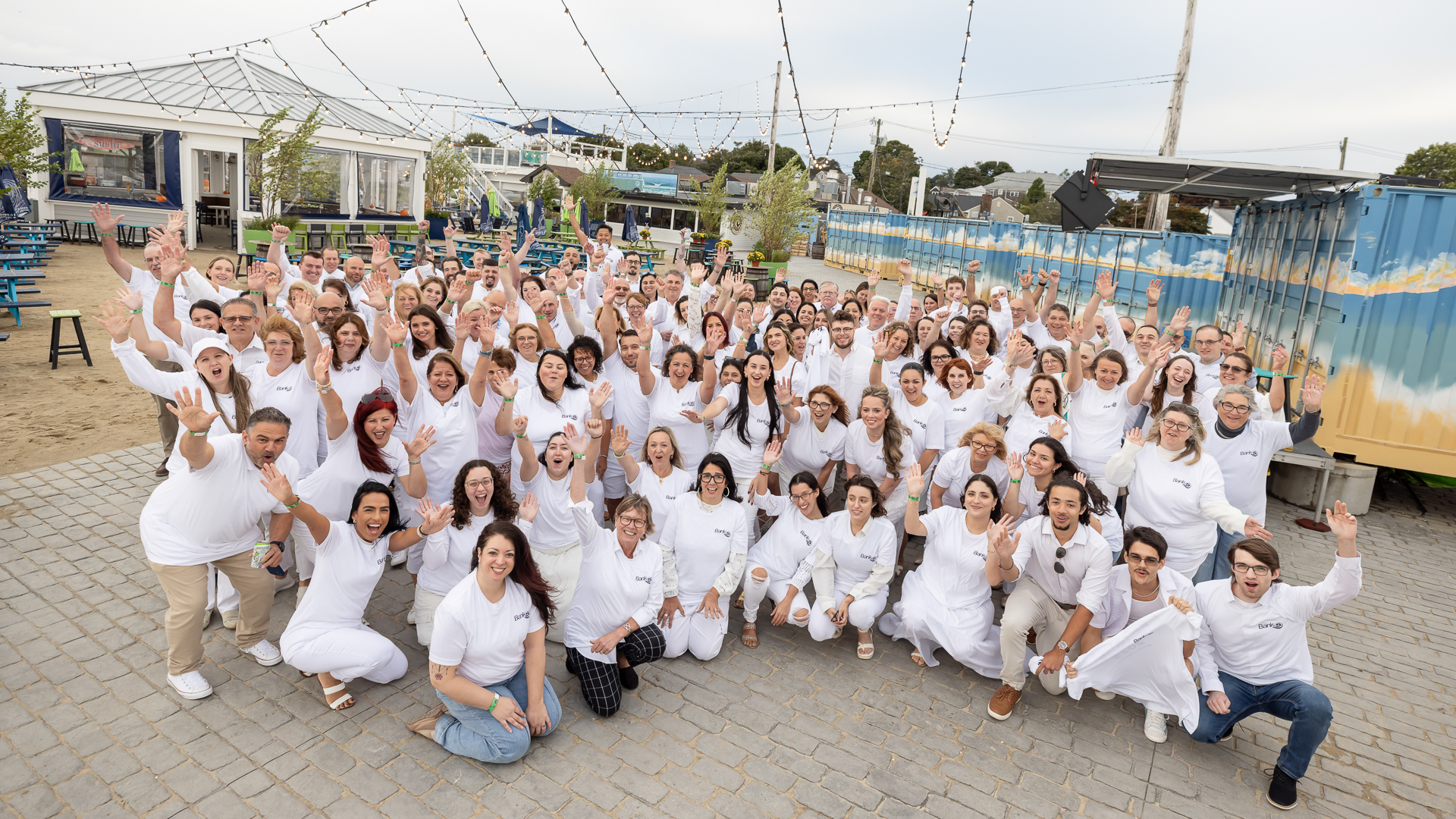
Philanthropy and charity have played a large role in your life and at the bank. Can you talk about that commitment?
We’re rooted in the community, so we see the need up close. My office overlooks a YMCA, and during the pandemic a food pantry popped up there for local residents. What struck me most was the line – elderly people, families, people who were working but still couldn’t afford enough food. It was frightening to realize how many of our neighbors needed that support. That’s when we decided to make food insecurity a giving priority. We saw the need, and we felt a responsibility to respond.
And giving back is at our roots. BankFive started as a five‑cent savings bank to help small depositors build a more secure future. When we help strengthen the community, our customers, our employees, and the bank all thrive.
What have you learned since joining CDIAC?
Joining the CDIAC has truly been a privilege. It’s one of the most impactful ways I can spend my time. As a community bank leader, I appreciate the opportunity to share what I’m hearing and seeing on the ground in my region. And it’s just as valuable to learn from the experiences of other bankers across New England. The perspectives around the table are fascinating, and it’s genuinely an honor to be part of the council.
Since joining the council, I had the chance to represent New England in Washington D.C. at the Board of Governors. It was an incredible learning experience for me to hear from other bankers around the country and how we each play a role in the U.S. economy.
Media Inquiries?
Contact our media relations team. We connect journalists with Boston Fed economists, researchers, and leadership and a variety of other resources.

 About the Authors
Allison Ross is a member of the communications team at the Federal Reserve Bank of Boston.
Email: Allison.Ross@bos.frb.org
Site Topics
Keywords
- Community Depository Institutions Advisory Council ,
- advisory councils ,
- banking ,
- mobile banking ,
- ai in banking