Why do countries need a central bank? 
Boston Fed economist says central banks promote financial and economic stability

uschools/iStock


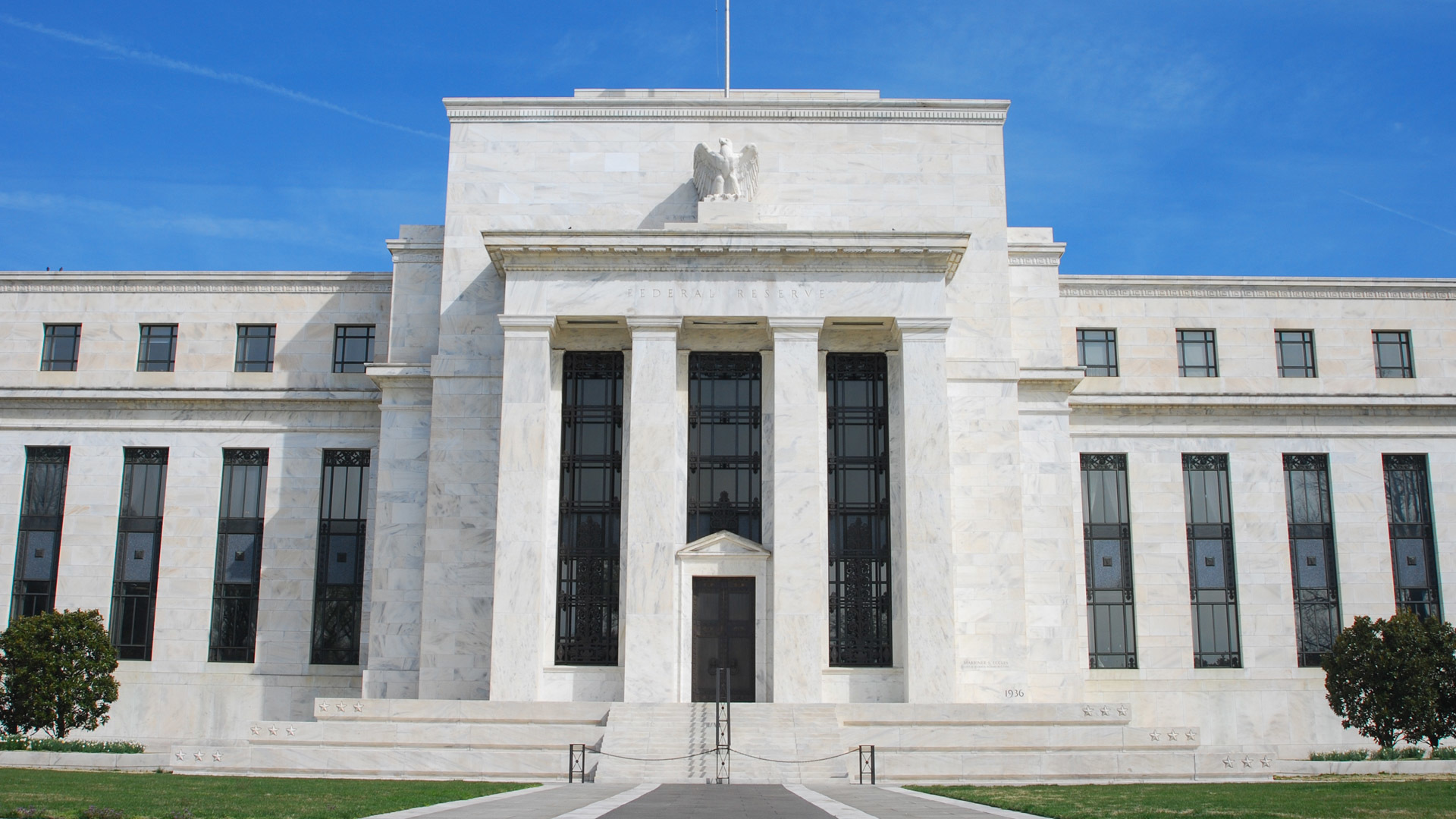
Why do most countries have a central bank, and how do they support a nation’s financial stability? We asked Jenny Tang, a vice president and economist in the Federal Reserve Bank of Boston’s Research Department. Tang also explains why the transparency and independence of the U.S. central bank, called the Federal Reserve, are critical to the overall economy.
Historically, most countries, including the U.S., didn’t have a central bank. Now, nearly all of them do. Why have things developed this way?
Many modern central banks were created after countries experienced bank panics and failures. There was a wave of these in the U.S. starting in the late 1800s. Back then, we had no central bank, and the private banking system was very fragmented. That made it difficult for money to move efficiently through the banking system, especially in a crisis. This led to instability in the financial system and volatile inflation.
So, that illustrated the need for a central entity dedicated to the stability of the entire financial system. Private entities generally act to serve their own interests. But having a central bank means there’s someone focused on acting in the best interests of the public and serving broader economic goals that benefit everyone.
Over time, private banks and businesses saw that the Fed’s actions were beneficial for economic activity in general, and the Fed’s goals shifted to the dual mandate from Congress that we have today: stable prices – with inflation around 2% – and maximum sustainable employment.
What are some tools a central bank uses to address economic challenges?
In the U.S., monetary policy – which includes setting the overall interest rate – is the central bank’s main tool. It’s used to achieve the dual mandate.
The Fed also plays a role in bank supervision and the payments system, which relates to financial stability. Stress testing, for instance, examines whether banks are equipped to withstand unexpected “shocks” to the financial system. For example, do they have enough capital and liquidity to absorb losses and keep lending? And there are also emergency liquidity tools, but those are used only in times of crisis, like the COVID-19 pandemic or the 2008 financial crisis. We’ll talk about those more in a bit.
How do central banks help maintain stability in the financial system?
Central banks actively monitor their nation’s financial situation. Here in the U.S., the Fed publishes regular reports on debt levels among financial institutions, businesses across different sectors, and households. We’re also looking at investment markets and how assets are being valued. That includes things like stocks, bonds, and mortgage markets.
We know that many businesses and households rely on credit to keep going day by day, so we’re analyzing how credit is flowing through the economy. For example, we saw during the 2008 financial crisis that some businesses were cut off from short-term credit, which disrupted their critical operations like making payroll.
How does the Federal Reserve balance managing inflation with supporting employment and economic growth?
In the long run, these goals are complementary because stable prices are a key part of overall economic stability. That allows people to feel safe in making long-term investments and plans, like starting a new business or investing in their education. It helps foster the growth of employment and economic activity in general.
In the short term, there can be situations where these goals are at odds, but central bank credibility helps make this balance easier to achieve. It serves as an anchor, giving consumers and businesses the reassurance that inflation will remain low and stable over time. That means companies don’t feel the need to hike up their prices quickly in anticipation of increasing business costs – and that in turn helps overall inflation remain lower and more stable.
When a financial crisis occurs, how do central banks help mitigate the impact?
That’s when central banks use monetary policy to loosen credit, making it easier to borrow money by lowering interest rates, for example. And emergency programs will go into active use, allowing the Fed to quickly provide liquidity where it is needed most.
When a crisis hits, it can lead to a loss of confidence among households, banks, and businesses. Families might pull their money out of banks and other financial institutions because they’re nervous, and these institutions themselves might pull their money out of investment markets and reduce lending. That causes ripple effects throughout the financial system.
So, these emergency programs, like the “discount window,” which provides overnight loans to banks, allow the Fed to step in and quickly provide liquidity to financial institutions as needed. This helps prevent panic-induced behavior from spreading and promotes financial stability.
That’s why people sometimes call central banks “lenders of last resort.” They’re who financial institutions turn to when they have no other options. This type of borrowing also typically comes at a premium, so it really does function as a “last resort.”
Why is it important for central banks to have independence from politics, and how is that independence protected in the U.S.?
In the U.S., it’s protected by law through the 1913 Federal Reserve Act and the 1951 Treasury-Federal Reserve Accord. Because of these laws, Fed officials operate on a different timeline than most elected officials, such as presidents or members of Congress. For instance, Federal Reserve governors serve 14-year terms, which are staggered. This means that a sitting president can’t pick all the governors.
This all helps ensure that the central bank does what’s best for economic stability in the long term, instead of acting in the interest of short-term political goals. For example, a politician may want interest rates lowered to boost economic activity right before an election. But this could lead to inflation spiking over time, which is not good. So, the central bank’s independence is critical for promoting long-term economic stability.
The Bank’s last Economic Research Conference focused on the increasingly fragmented and volatile global economy. Why is it important for central banks to track global economic trends?
We've been through several decades of increasing globalization, which means countries across the world have become more interconnected. Like the conference discussed, we have seen some pullback from this trend with more fragmentation recently. But our economies still have these connections and trade relationships.
So, if a distant country is hit by an economic shock, it can still impact us through trade and the financial system – not to mention the fact that many U.S. corporations operate on a global scale. By tracking these trends, central banks can monitor potential risks in other countries before they start seeing negative impacts domestically.
How do central banks communicate monetary policy decisions and guidance with the public, and why does transparency matter?
Central banks usually communicate through public statements and press conferences. In the U.S., these tend to coincide with Federal Open Market Committee meetings. It’s during these meetings that committee members decide whether to change interest rates. Information from these statements and conferences is then shared more widely with the public by the media.
This transparency is key because it holds central banks accountable for their actions. At the same time, if people are better informed about how the economy works and are making more educated financial decisions, that’s also good for the economy overall.
Related: Read "Why does the Federal Reserve do regional economic research?" with Boston Fed economist Jeff Thompson.
Media Inquiries?
Contact our media relations team. We connect journalists with Boston Fed economists, researchers, and leadership and a variety of other resources.

 About the Authors
Amanda Blanco is a member of the communications team at the Federal Reserve Bank of Boston.
Email: Amanda.Blanco@bos.frb.org
Site Topics
Keywords
- central bank ,
- Federal Reserve ,
- Central Bank Independence ,
- economic stability ,
- Economic Shock ,
- fiscal transparency