Boston Fed’s 69th Economic Conference examines how U.S. is adapting to a ‘changing global landscape’ 
Researchers explore how volatility, emerging risks, tariffs may impact U.S. economy

Steve Osemwenkhae/Federal Reserve Bank of Boston


How is the U.S. economy adapting to an increasingly fragmented and volatile global environment?
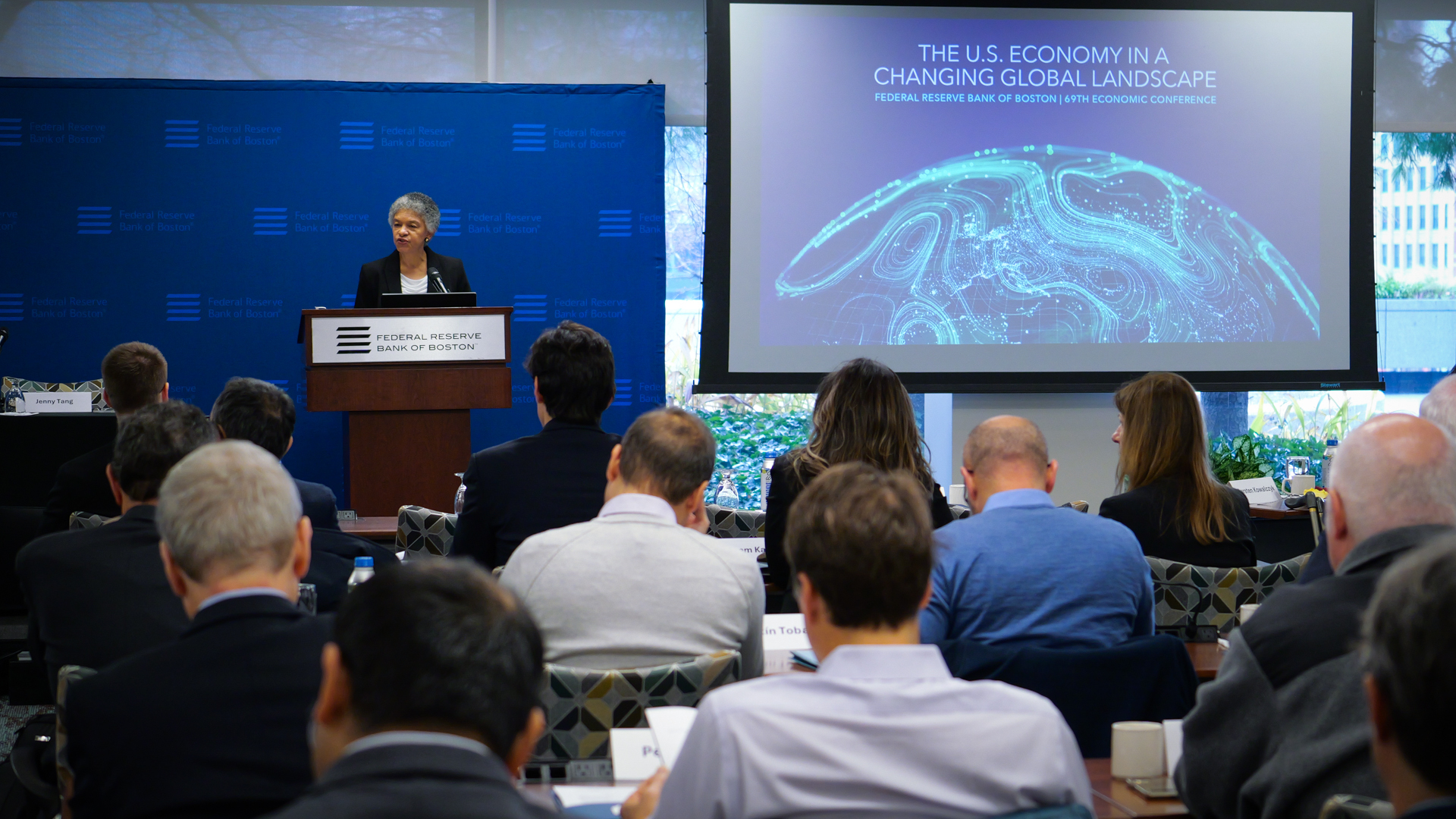
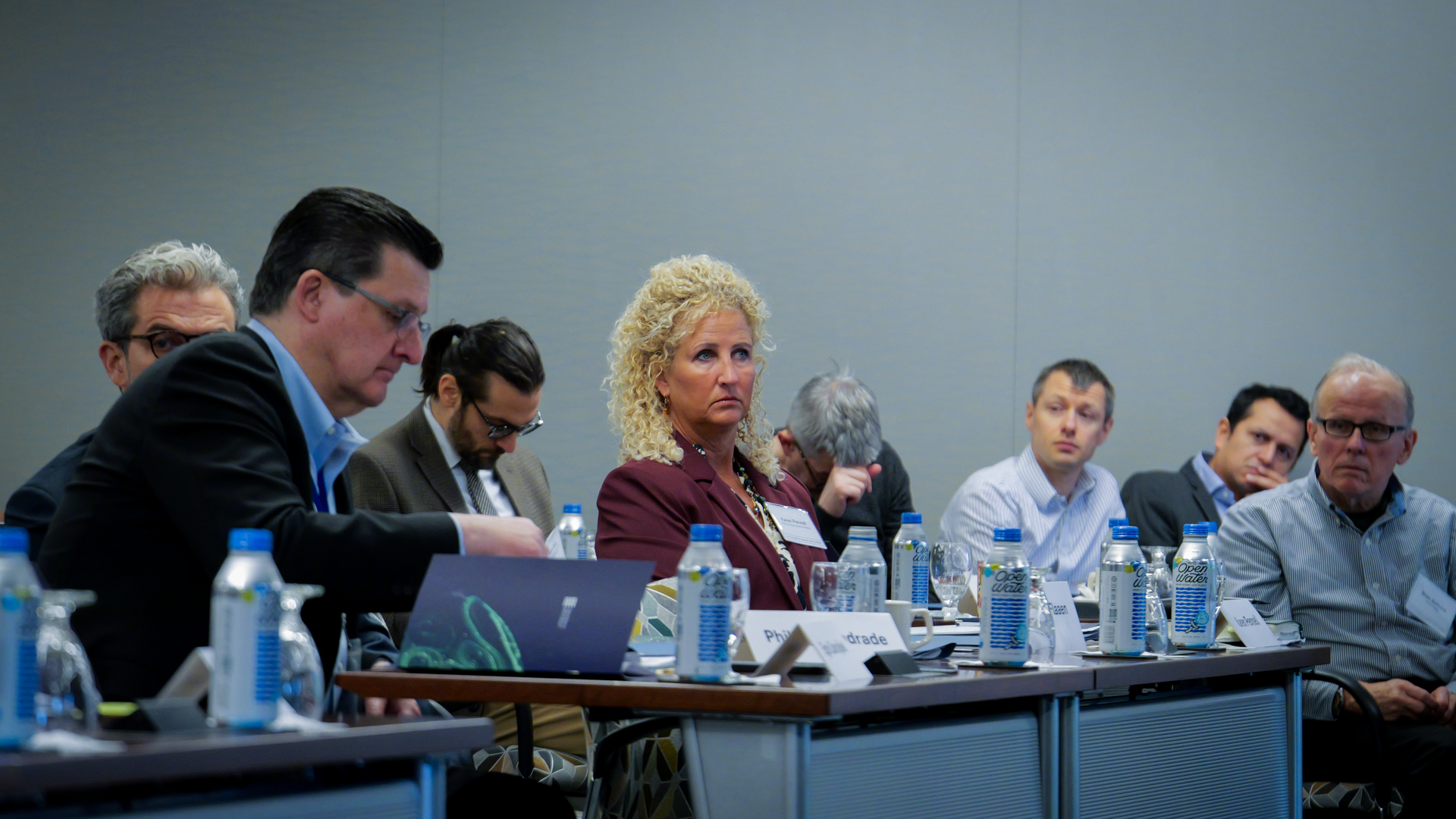
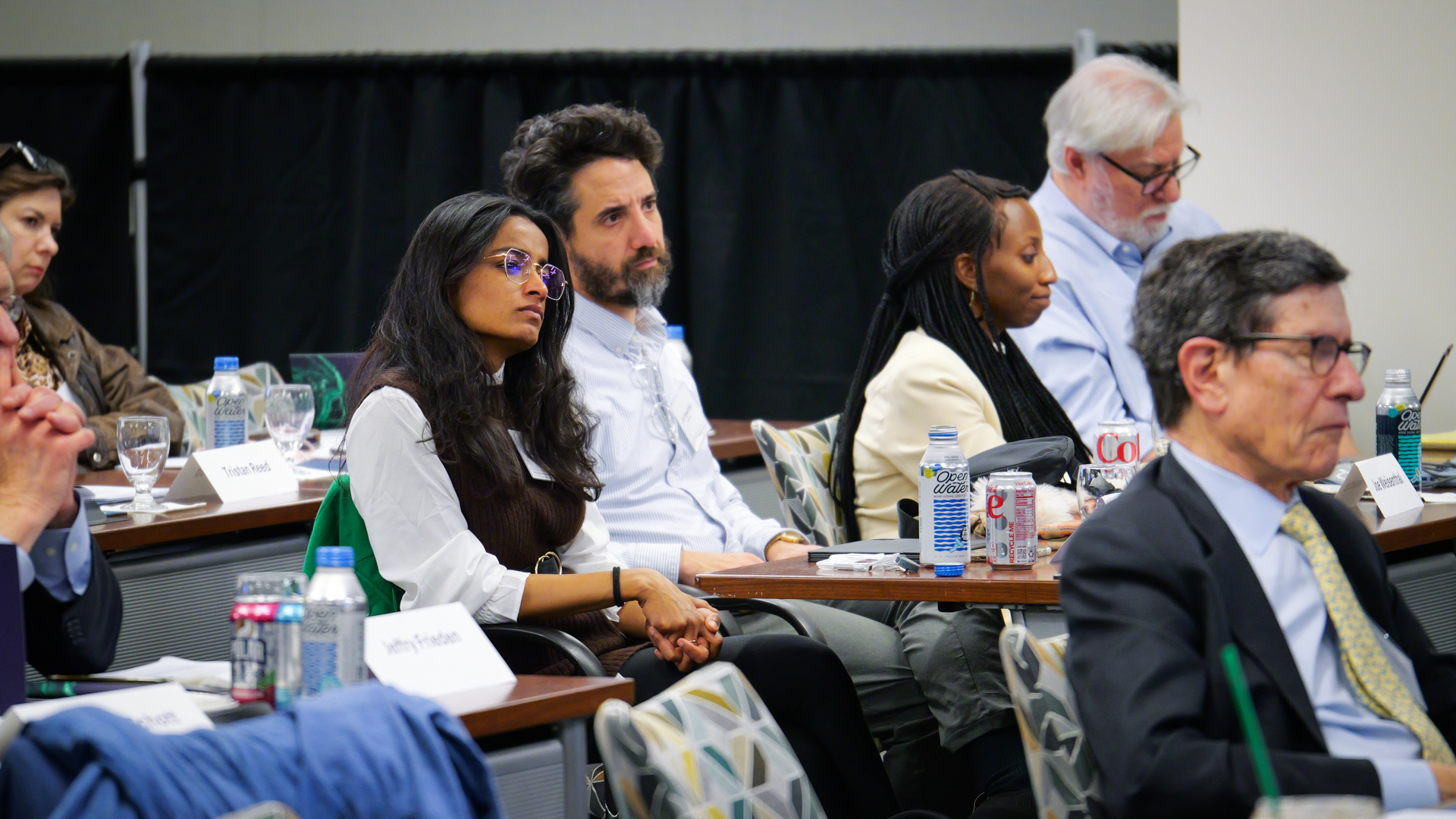
That was the key question economists, central bankers, and other researchers explored at the Federal Reserve Bank of Boston’s 69th Economic Research Conference, which was held at the Bank on Nov. 21–22. The event was titled, “The U.S. Economy in a Changing Global Landscape.”
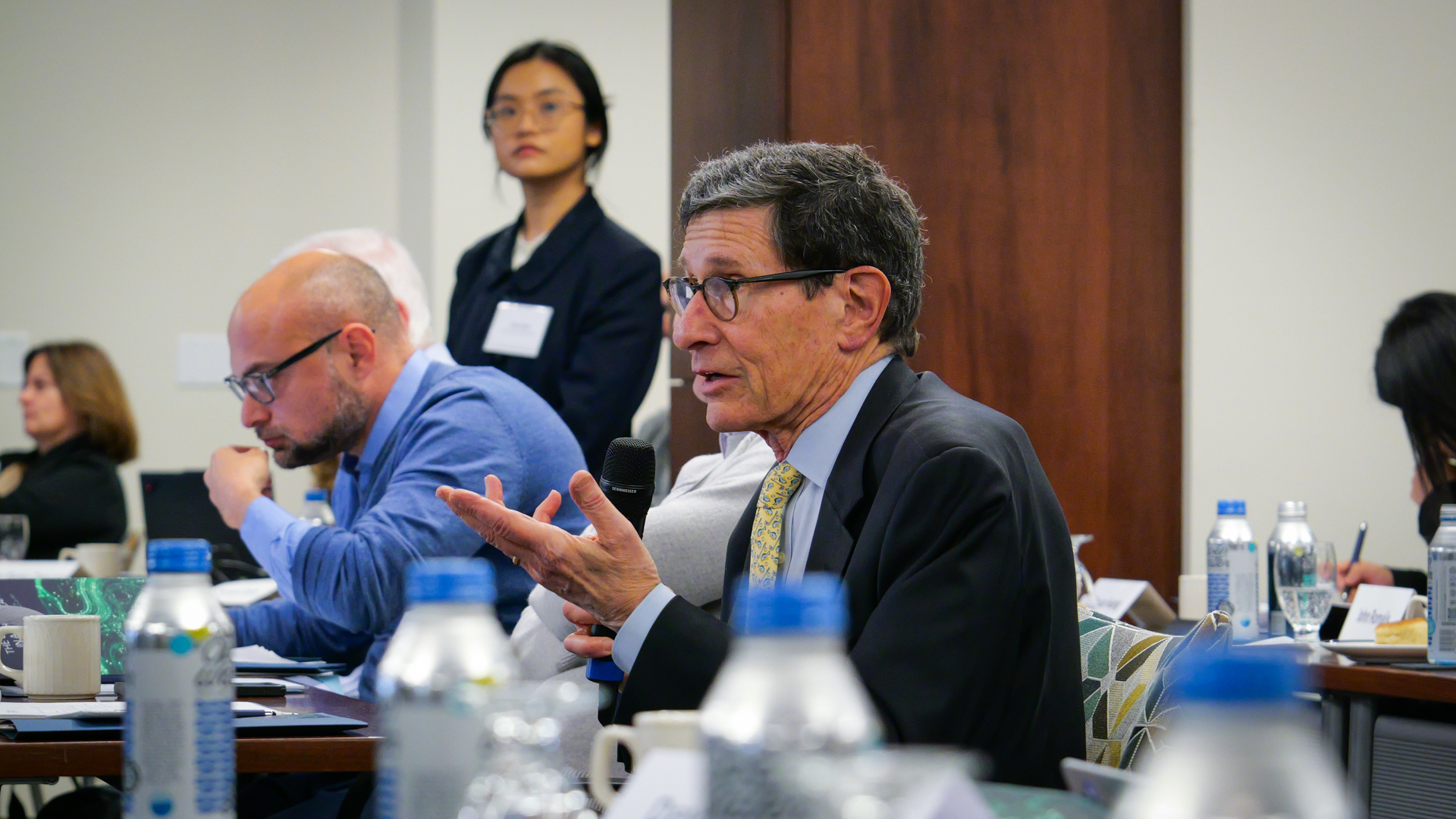
Participants covered a range of topics related to geopolitical risks, monetary policy, tariffs, and multinational corporations. The conference’s keynote address highlighted the evolving role of the U.S. in global trade networks.
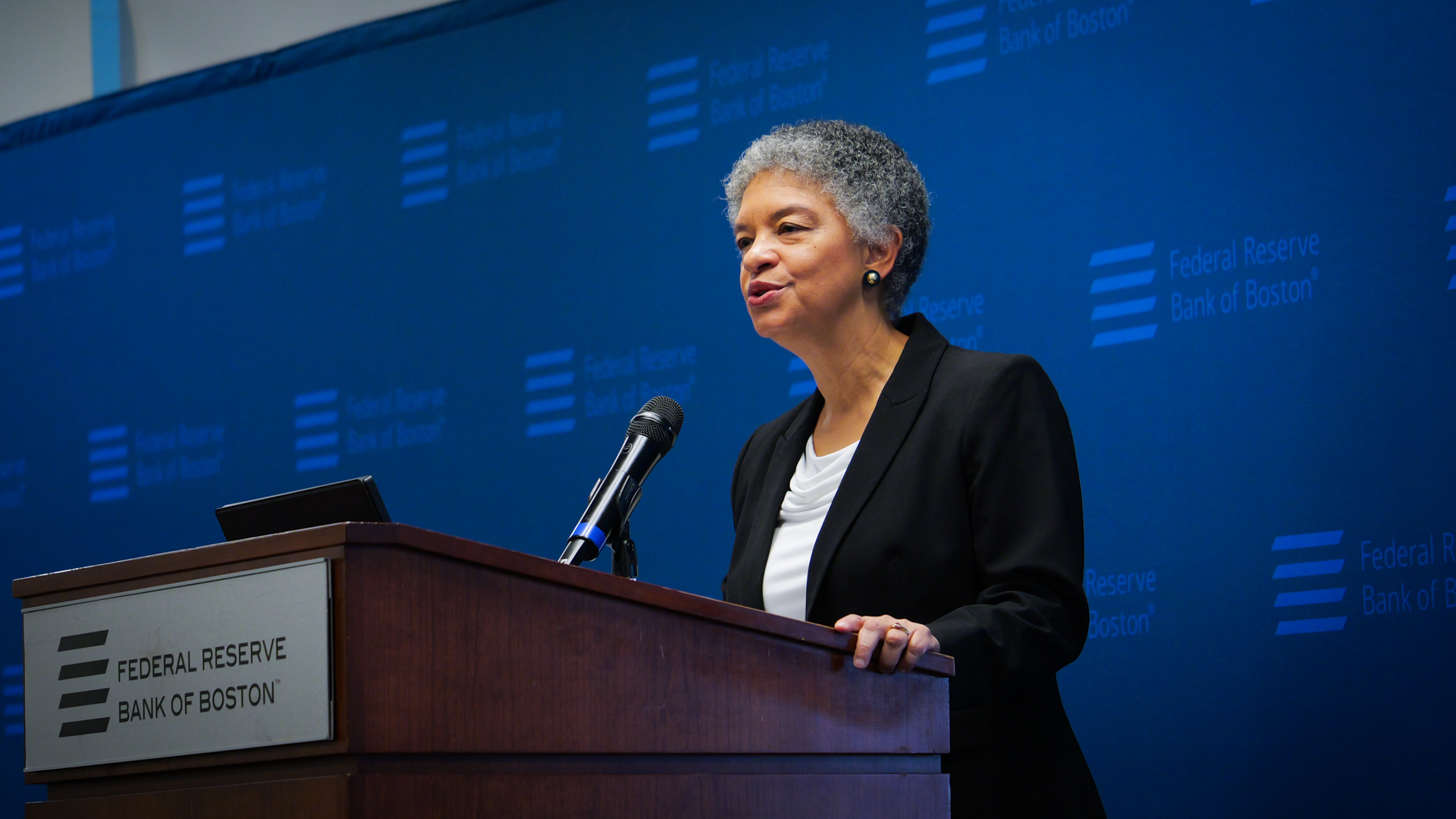
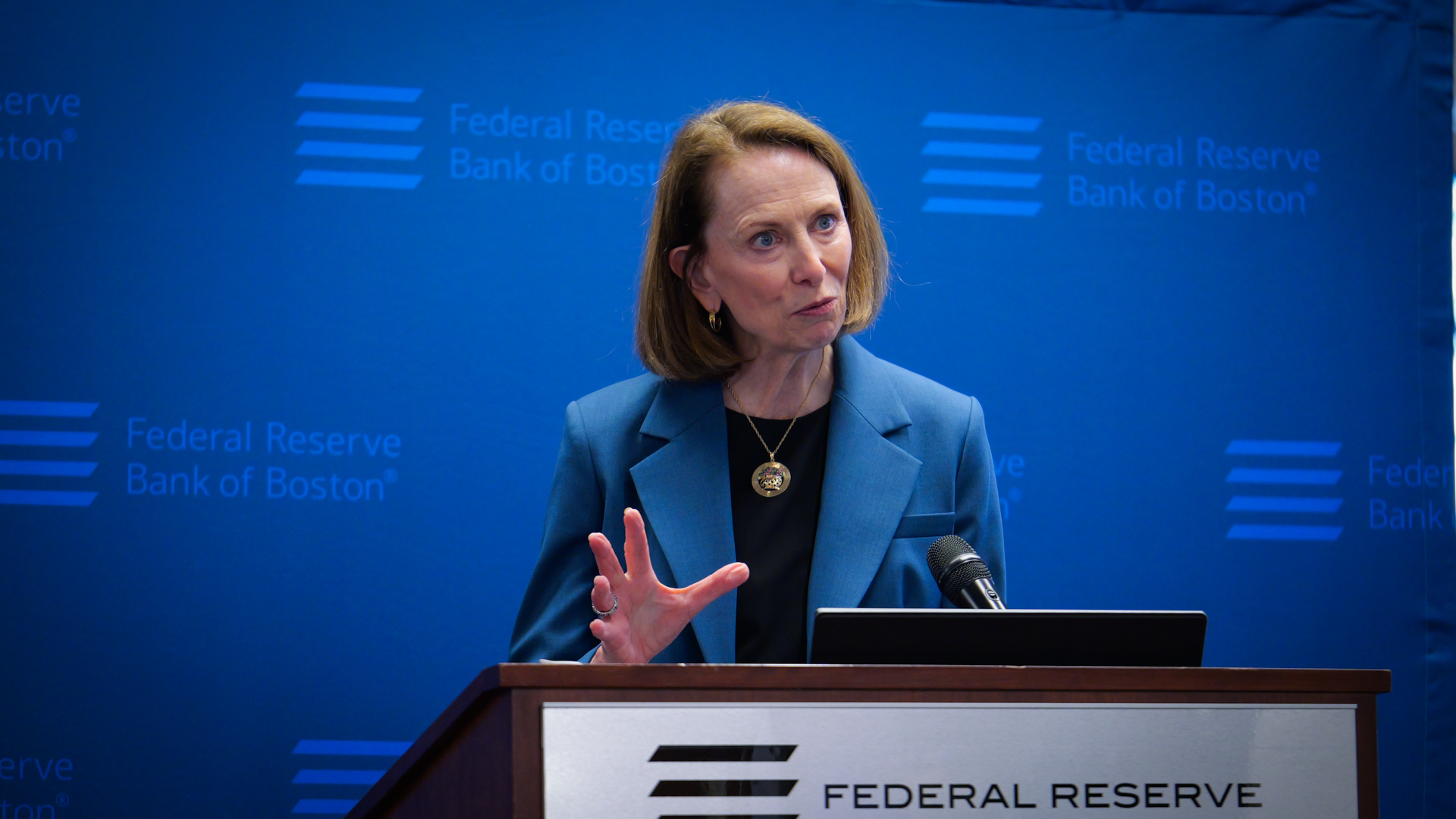
Boston Fed President and CEO Susan M. Collins said in her welcoming remarks that research shows heightened economic uncertainty can deter investment and reduce spending. She said it can also lead to increased volatility in financial markets, which could have important implications for economic activity and financial stability.
At the same time, greater economic fragmentation could also amplify volatility, leading to less resilient economies, she said.
“In any event, the increase in global risks and the movement toward greater economic fragmentation will likely be major, transformative, and intertwined forces shaping our economic landscape in the coming years,” Collins said.
Papers and presentations shared during the conference
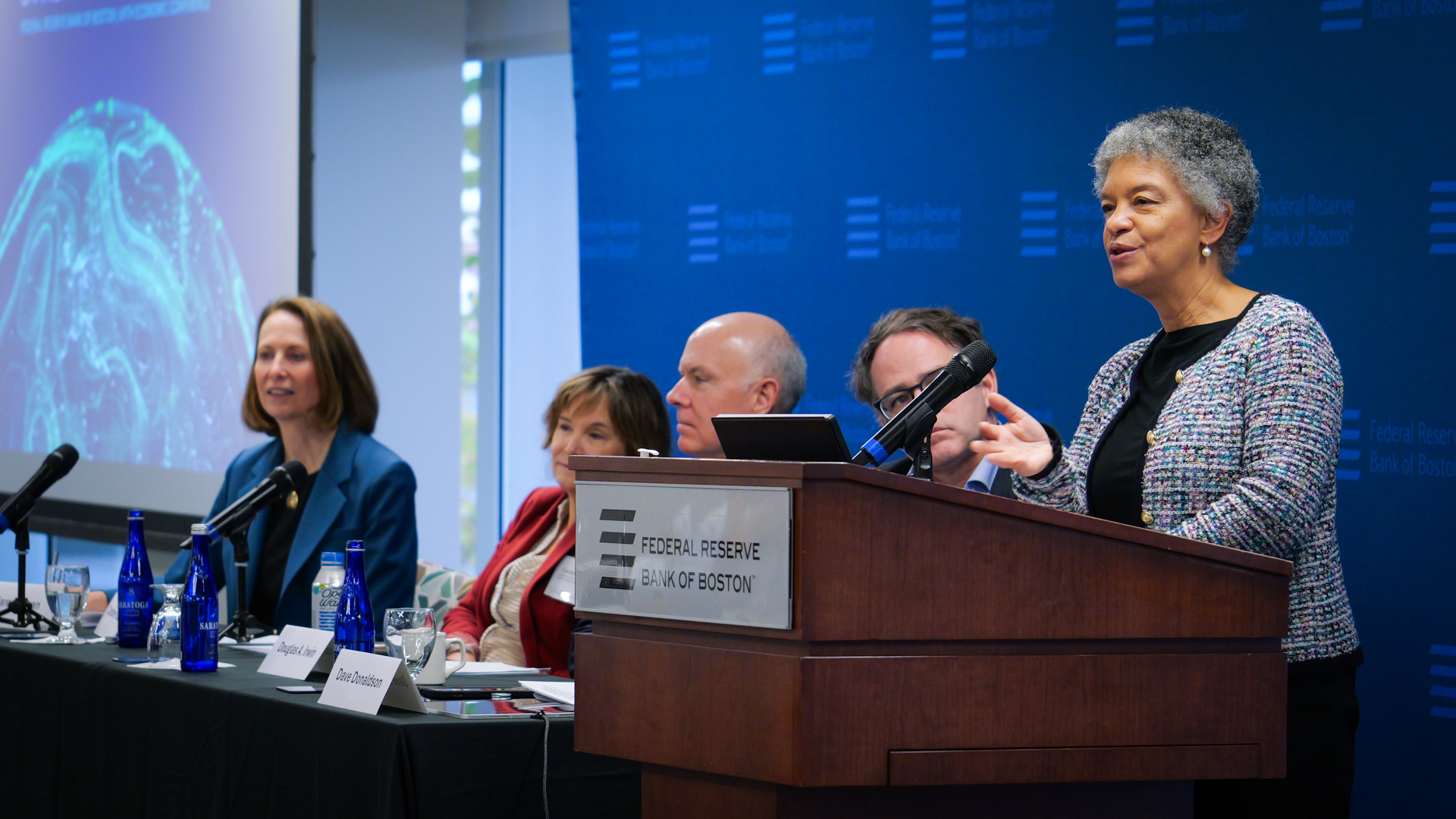
Researchers presented five papers during the conference, and a panel session explored the evolution of industrial policy. The paper and panel titles are listed below, and the papers and presentations from each session are available on bostonfed.org:
- “Global Networks, Risks, and the U.S. Economy,” Şebnem Kalemli-Özcan (Brown University) and Muhammed Yildirim (Harvard University, Brown University, and Koç University)
- “Supply Chain Uncertainty, Energy Prices, and Inflation,” Tommaso Monacelli (Università Bocconi) and Alfonso Merendino (European Central Bank and Università Bocconi)
- “The Costs of Coercion,” Jeffry Frieden (Columbia University)
- “U.S. Firms’ Exposure to Tariffs: A Comparison of the 2018 and 2025 Episodes,” Omar Barbiero, Viacheslav Sheremirov, Alvaro Silva, Hillary Stein (all from the Boston Fed)
- “Trade Imbalances and the Global Footprint of U.S. Multinationals,” Laura Alfaro and Vanessa Alviarez (both from the Inter-American Development Bank)
- “Industrial Policy in a New Global Paradigm” panel session with Douglas A. Irwin (Dartmouth College), Caroline Freund (University of California), Karen Dynan (Harvard University)


 View Gallery
10 images
Keynote address: The evolving role of the U.S. in global trade
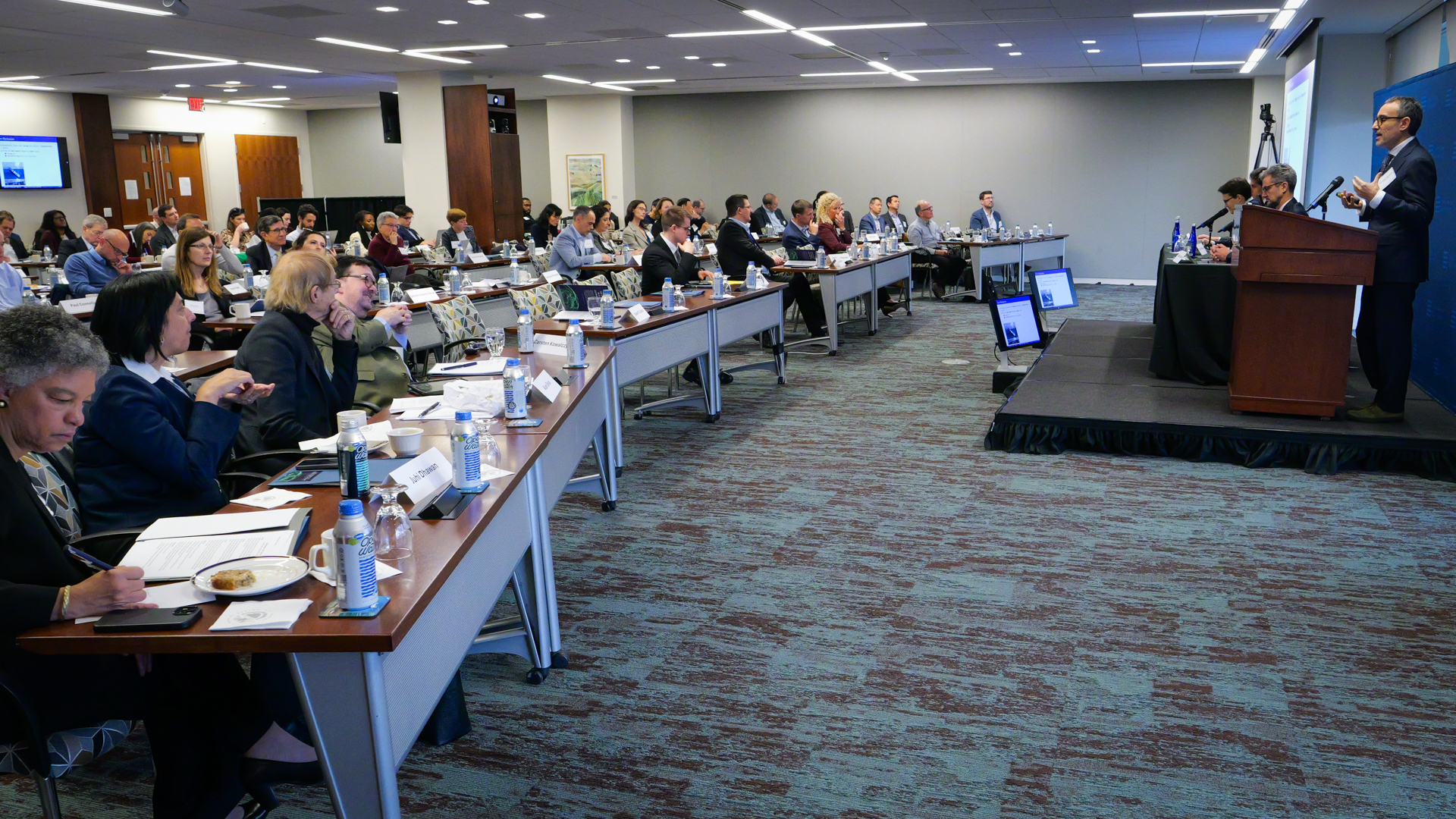
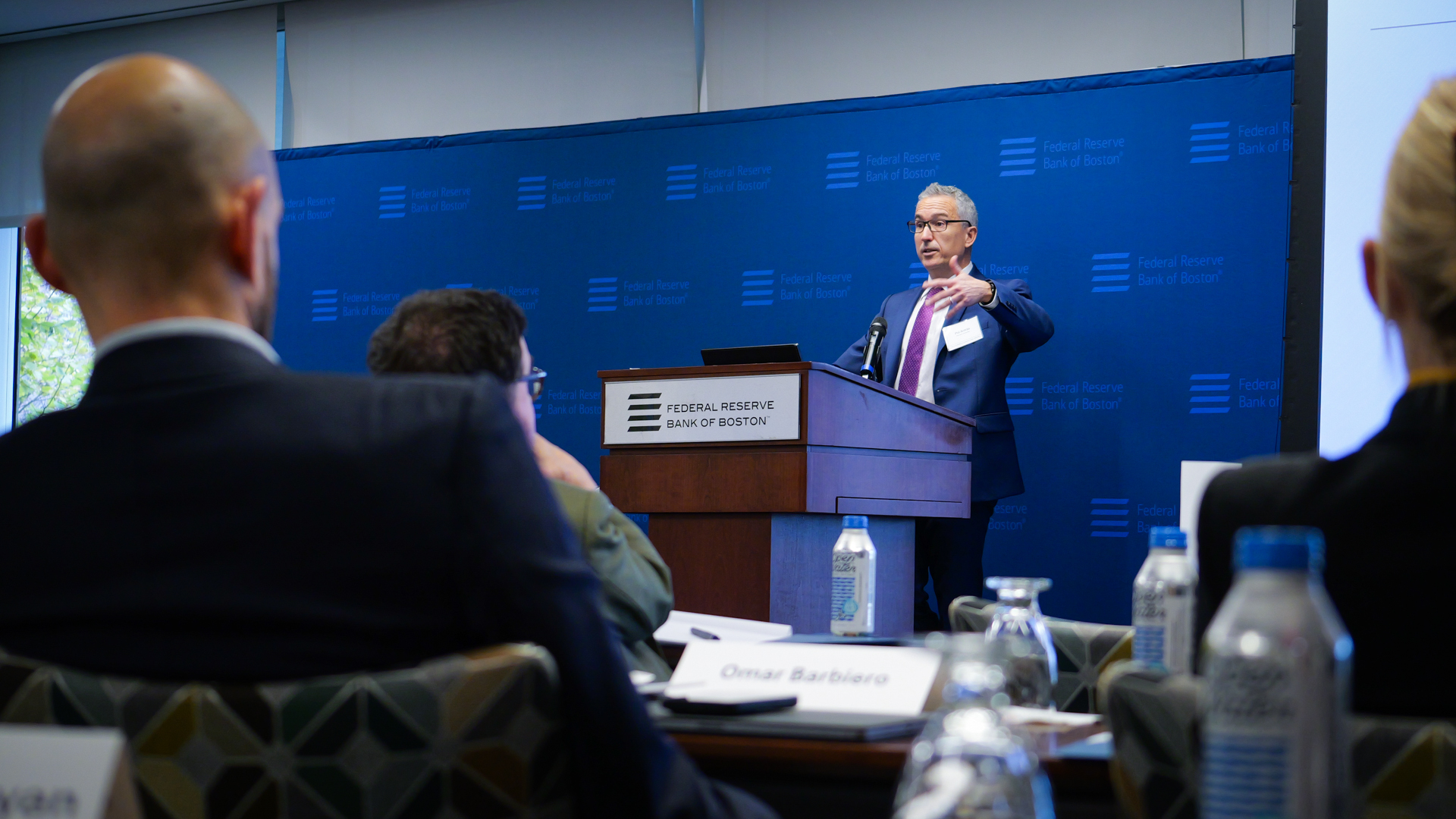
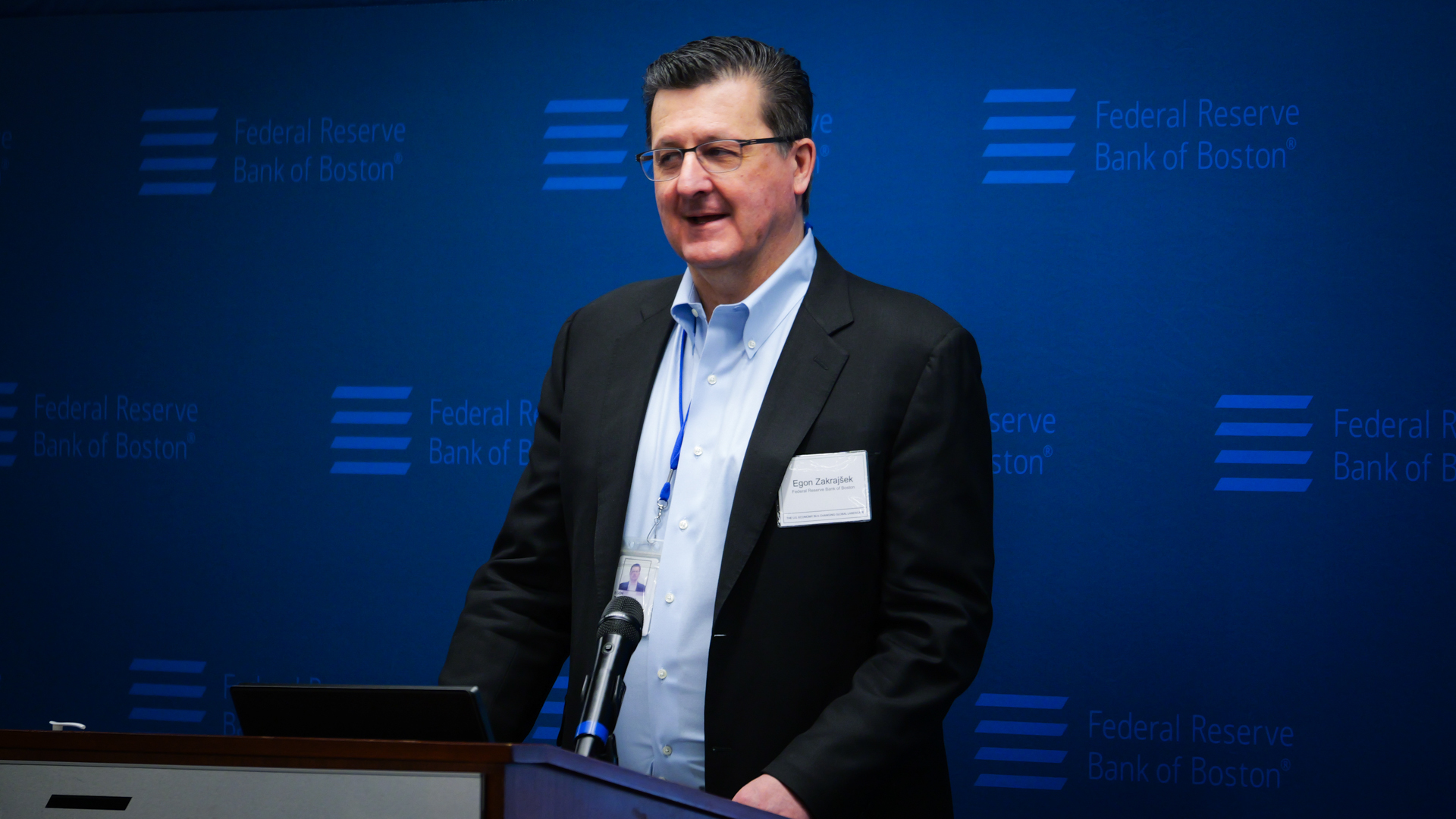
Pol Antràs, the Robert G. Ory Professor of Economics at Harvard University, presented the conference’s keynote address, “The Evolving Role of the United States in Global Value Chains.”
Antràs gave a historical overview of the U.S.’s role in global trade. He also discussed the different ways in which “global value chains” – or global production networks – operate, and how they may be impacted by ongoing tariffs.
Antràs said the U.S. has the world’s largest economy, accounting for about 25% of the global economy, and it’s become more open to trade over the past 50 years – though it’s less so than other countries.
He then discussed the evolution of global value chains. He said that since the 1980s, global production processes have become more fragmented. Countries have stopped trading fully finished products as companies began moving different parts of their production processes around the world.
For example, cars and planes assembled in the U.S. often require parts produced abroad, he said. And the production of silicone chips used in phones and computers requires materials to travel across the world several times to reach completion.
Antràs said that some U.S. companies are shifting their imports from China to other countries, such as Vietnam and Mexico, in response to high tariffs. However, he said it remains unclear whether these tariffs will bring manufacturing back to the U.S.
How is exposure to tariffs impacting U.S. companies?
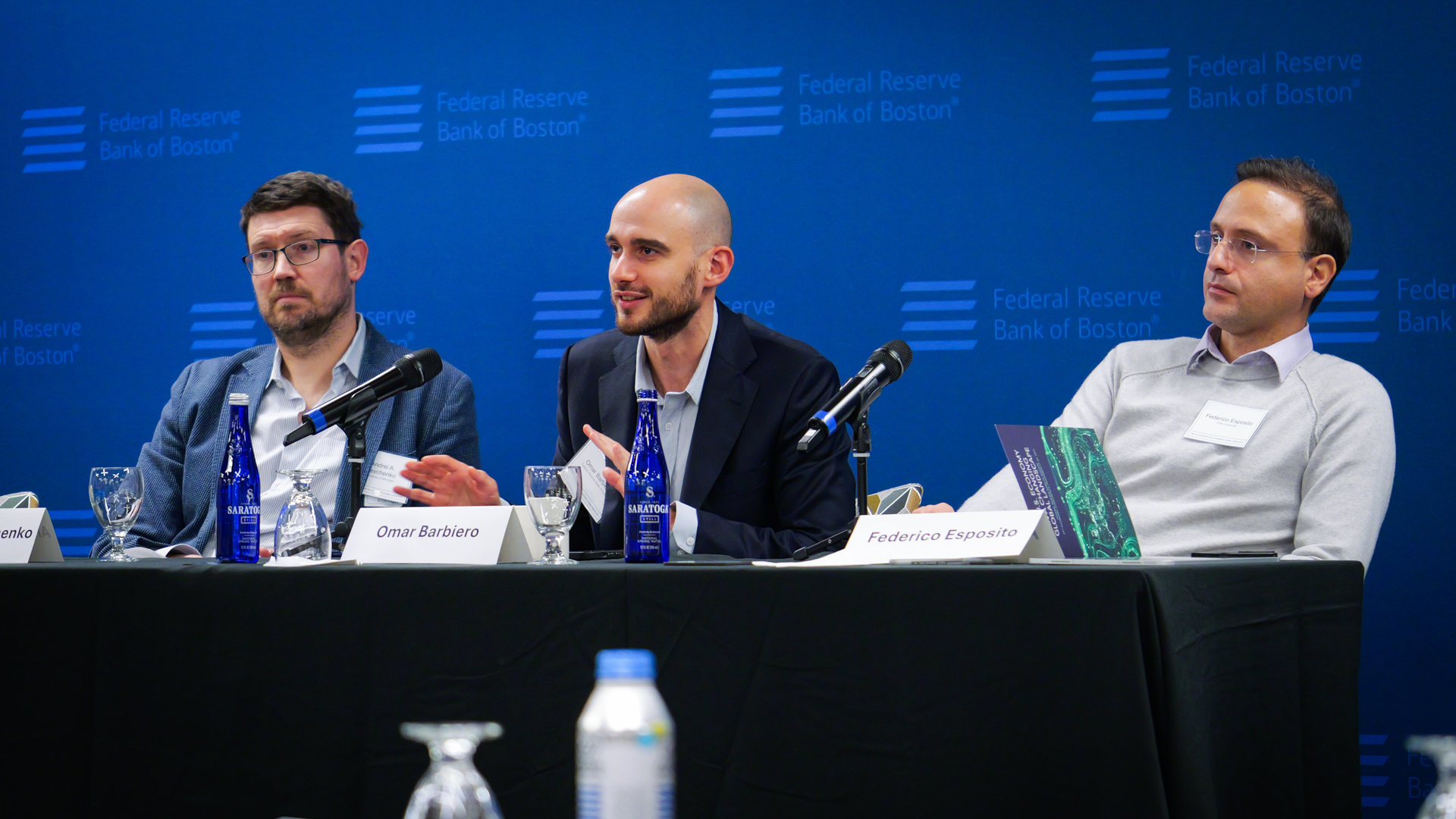
In a session on their paper, Boston Fed senior economist Omar Barbiero detailed how he and three other Bank economists compared the impacts of U.S. import tariffs on public companies in 2018 and 2025.
Barbiero said the coauthors aimed to examine how tariffs could affect a company’s employment, investment, prices, profitability, and financial conditions. He said the researchers looked at four factors to study a company’s exposure to tariffs, including:
- their direct import costs
- their indirect import costs through their suppliers who are exposed to tariffs
- the extent to which certain tariffs would help “protect” a company from competitors
- whether a company sells to nations that are retaliating against the U.S. during a trade war
Barbiero said they found that in 2018, higher cost exposure led companies to increase their prices. At the same time, the firms’ profit margins and investment decreased. They also found that export retaliation led to lower profit margins but increased investment.
Barbiero said the coauthors found no benefits to the companies’ employment or inventories from the 2018 tariffs. However, he noted it’s possible such benefits could have materialized several years later.
Barbiero said the 2025 tariffs are still ongoing, and their full impacts aren’t yet known. The economists wrote in their paper that in both years, tariffs raised direct import costs. But they found that tariff exposure for direct importers was 10 times larger in 2025 than in 2018.
Learn more about the conference participants, read the papers, and watch the presentations on bostonfed.org.
Media Inquiries?
Contact our media relations team. We connect journalists with Boston Fed economists, researchers, and leadership and a variety of other resources.

 About the Authors
Amanda Blanco is a member of the communications team at the Federal Reserve Bank of Boston.
Email: Amanda.Blanco@bos.frb.org
Site Topics
Keywords
- Research conference ,
- volatility ,
- Global Economy ,
- Global risks